


Control strategies for major grass weeds
Black-grass

While black-grass poses a real threat to your cereals, high levels of control can be achieved with an integrated approach that includes cultural control, strategic herbicide application, and using the most effective application technique.
Start with cultural control
Soil can contain many weed seeds (the seedbank). To help you make informed cultivation decisions and achieve maximum weed control, it is vital to understand where black-grass seed is distributed in the soil profile. Knowing your herbicide resistance status and dormancy levels are also important factors.
Our Cultivation Insight Tool can help you map and visualise the black-grass seed in your soil profile based on your cultivations.
Choosing the right cultivation is a key part of control; if not done properly, it can make a black-grass problem worse. The best cultivation for black-grass control depends on the weather conditions and how dormant your black-grass seed is. Dormancy is the term for when a grass weed seed will not germinate, even when conditions are met. Weather conditions around flowering can affect dormancy; hot, dry weather results in lower dormancy in freshly shed seed while cool, wet weather leads to higher levels.
✔ Use direct drilling where seed is less dormant, and germination happens over a short time frame. Trials have shown that this makes black-grass easier to control as it is left on the surface so you can target it with a pre-emergence herbicide application.
✔ Effective rotational ploughing buries the weed seed below the germination zone which means it’s a good option for high dormancy seeds or where there has been a significant seed return. Don’t plough too often as this can return buried viable seeds to the surface.
✔ Planting competitive crops like HYVIDO® hybrid barley can suppress black-grass growth.
✘ Min-till cultivation provides the good seed-to-soil contact that’s needed for cereal crop establishment. However, it causes mixing of the soil profile and seed bank which can lead to a more widespread distribution of black-grass seeds, making weed control more difficult.
Rye-grass

Resistance testing
Resistance testing is an important tool in your rye-grass control arsenal. As resistance is becoming more prevalent, it’s important to understand weed populations on your farm. All you need to do is submit a 250-300ml sample (about a mug full) of fully dried seed to a testing lab by the end of July. You should have the results by the end of September which will help you make the most effective weed management decisions going forward.
Delayed drilling
Autumn germinating rye-grass emerges from September to December. Delayed drilling allows some of the rye-grass seeds to germinate so they can be sprayed off with herbicide before drilling the crop. Rye-grass can still germinate after drilling, but the percentage that emerges will be less. A pre-emergence and post-emergence herbicide program can then be implemented to tackle later germinating weeds.
Competitive cropping
If you’re considering barley in your rotation, HYVIDO® hybrid barley can be a great option to include in your rye-grass control strategy. At Doncaster, we’ve found that greater competition gives fewer grass weed tillers.
HYVIDO® hybrid barley is showing consistently higher levels of competition and a lower number of rye-grass tillers than winter wheat or conventional barley. It also demonstrates a reduced number of weed ears, due to a greater proportion of weed ears remaining below the crop canopy.
Did you know? It only takes 5 rye-grass plants per m2 to cause a 5% yield loss in wheat.
Wild Oats
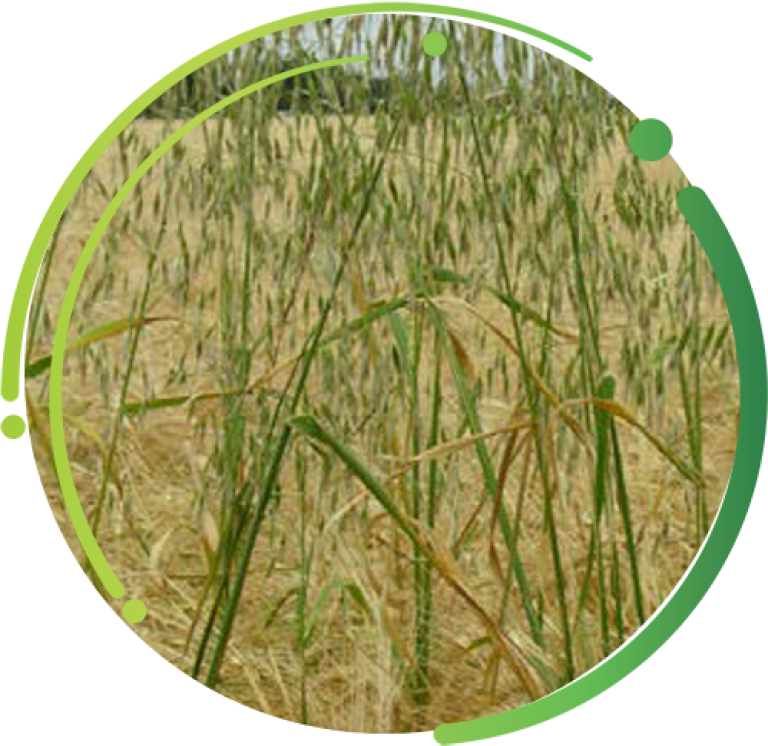
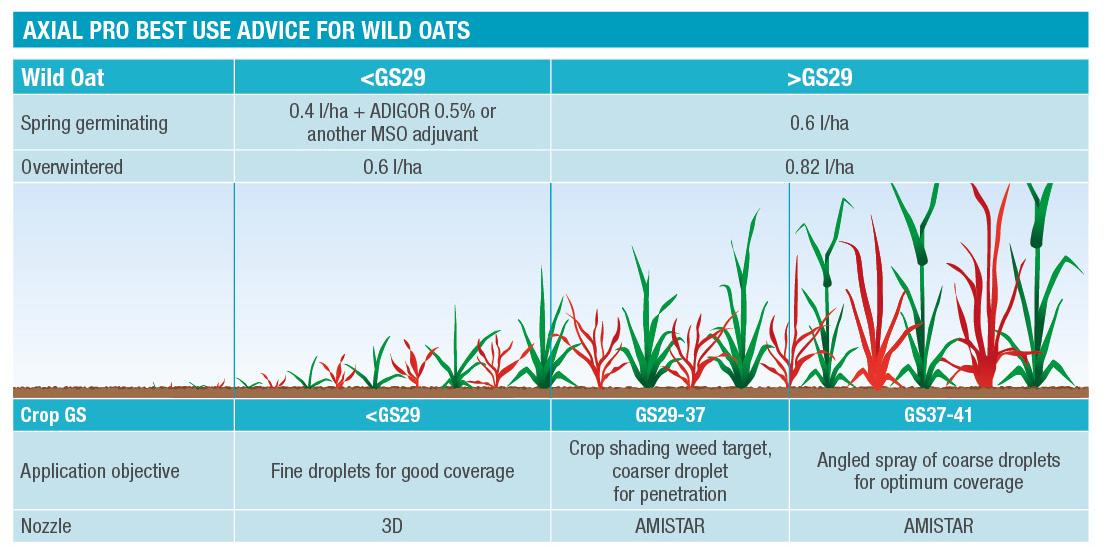
Wild oats are a problematic weed for UK farmers. Achieving a high level of control is essential as wild oats are more competitive than black grass and their seeds can remain in the seedbank for longer. Effective control strategies also reduce the risk of herbicide resistance developing.
Cultural controls
✔ Delaying post harvest cultivations can cause wild oat seeds to lose their viability through germination, disease, and predation.
✔ Spring cropping can be an effective weed control strategy for wild oats. This is especially true of crops sown later in the spring after any early emerging wild oat weeds have been sprayed off.
✘ Rotational ploughing is not an effective weed management strategy for wild oats. This is because wild oat seeds can propagate from depths of 15cm, and it can also bring previously buried seeds back to the surface.
✘ Delayed drilling is also a less effective form of control because of the weed’s wide germination window. Though they germinate in the autumn, most of the seedlings won’t appear until the spring.
What is Seed Dormancy?

Playing this video requires a marketing consent.
Click anywhere on the video to renew your consents.
Spring vs Winter Wild Oats
Playing this video requires a marketing consent.
Click anywhere on the video to renew your consents.
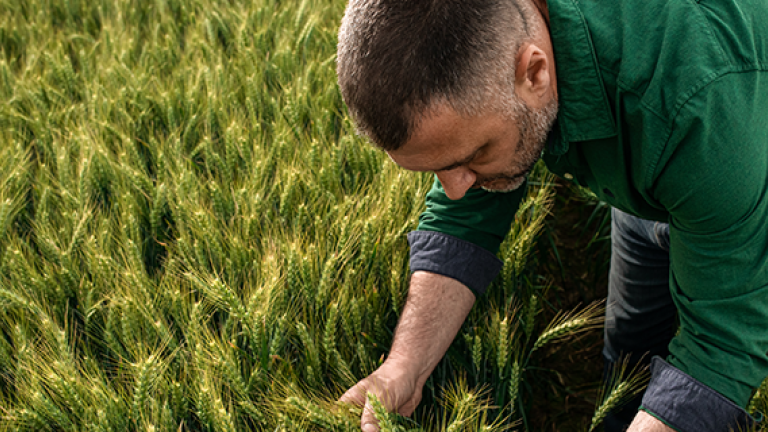



Rye-grass that had evaded control of autumn treatments, or has emerged over the winter, may still be controlled in the spring with AXIAL® Pro.
AXIAL® Pro is also highly effective for post-emergence targeting of rye-grass in spring sown crops, including spring barley and spring wheat.
Removing weeds as early as possible in the spring will reduce further impacts of competition, as well as limit seed return later in the season.
AXIAL® Pro can be safely tank-mixed with a range of fungicides and PGRs in the spring. For use in herbicide programmes always adhere to specific sequencing and mixing guidelines.
Spring application rates can be effectively tailored to target weed size and growing conditions, for optimum results and returns. For rye-grass beyond two-tillers (>GS22) the AXIAL® Pro application rate should be at 0.82 l/ha.
Application technique in the spring should also be tailored to the crop and weed growth, selecting nozzle choice, water volume and operating pressure to optimise target coverage.