


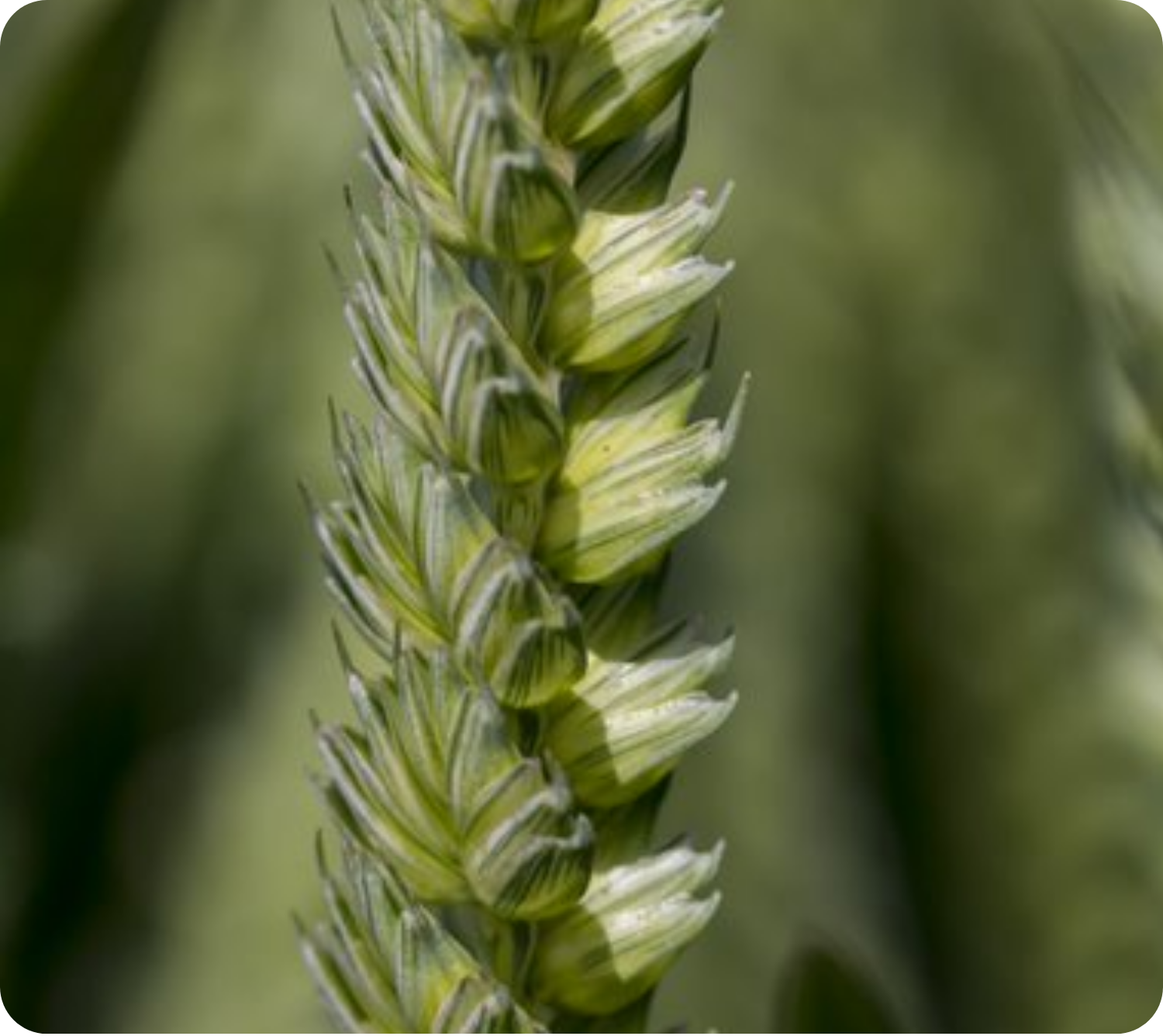
After 15+ years of R&D, Syngenta achieved an official registration of a Hybrid Wheat variety in Europe in February 2026.
Syngenta is planning to launch X-TERRA® Hybrid Wheat in 2027 in the UK.
What does hybrid vigour actually deliver?
When two genetically distinct parents are crossed, the result is a plant that outperforms either parent - this is called heterosis, or hybrid vigour. In X-TERRA® wheat, this means:
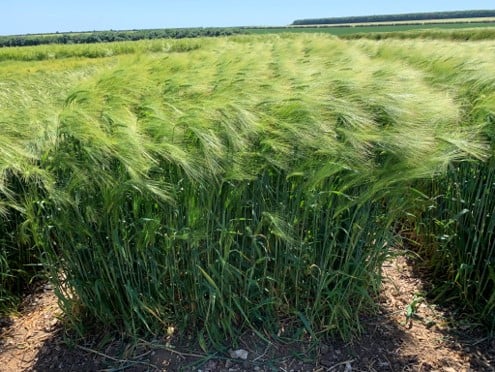
Yield boost
Breaking the yield plateau with higher yields.
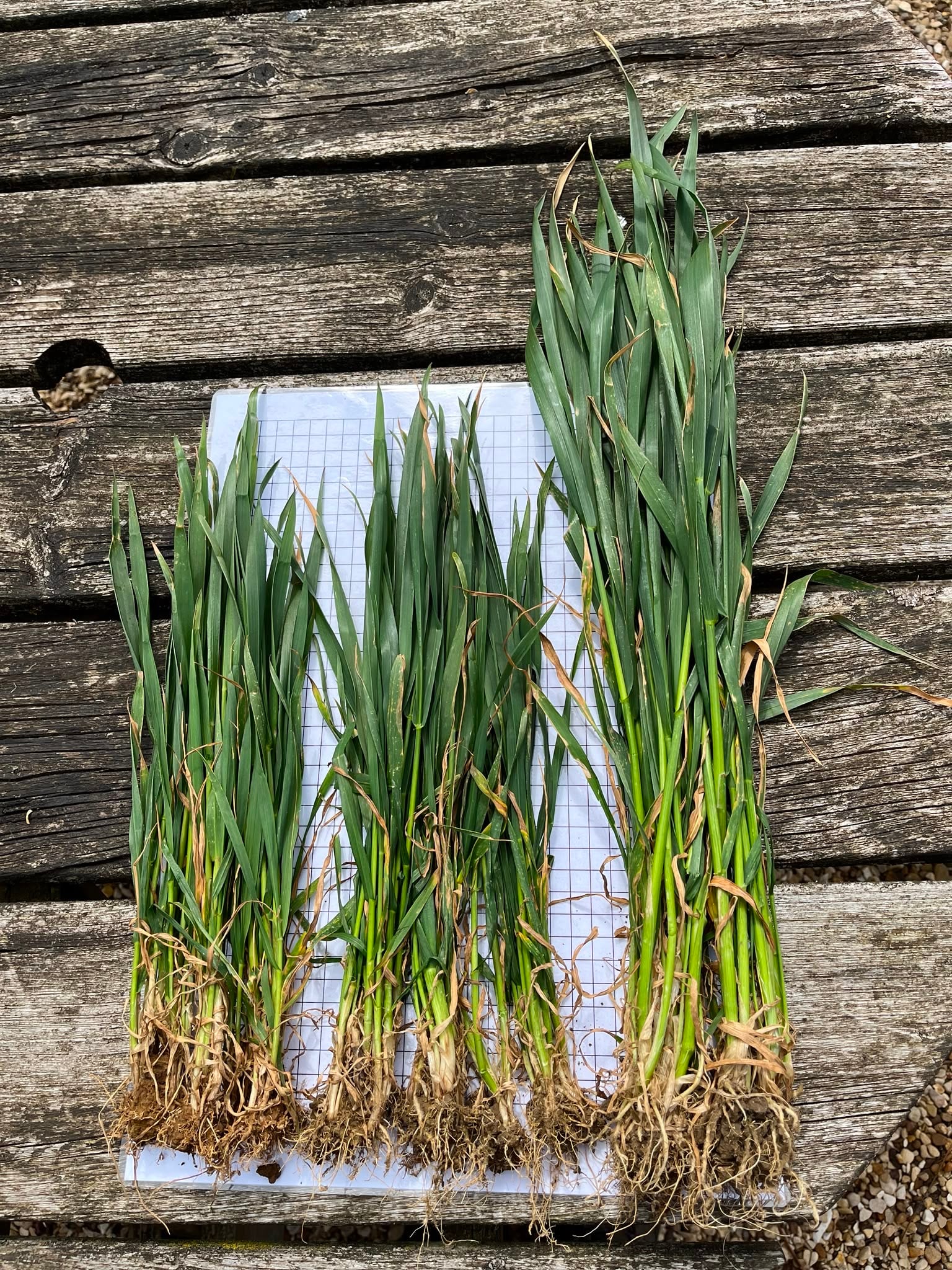
Root mass
Greater root fresh weight vs. conventional.
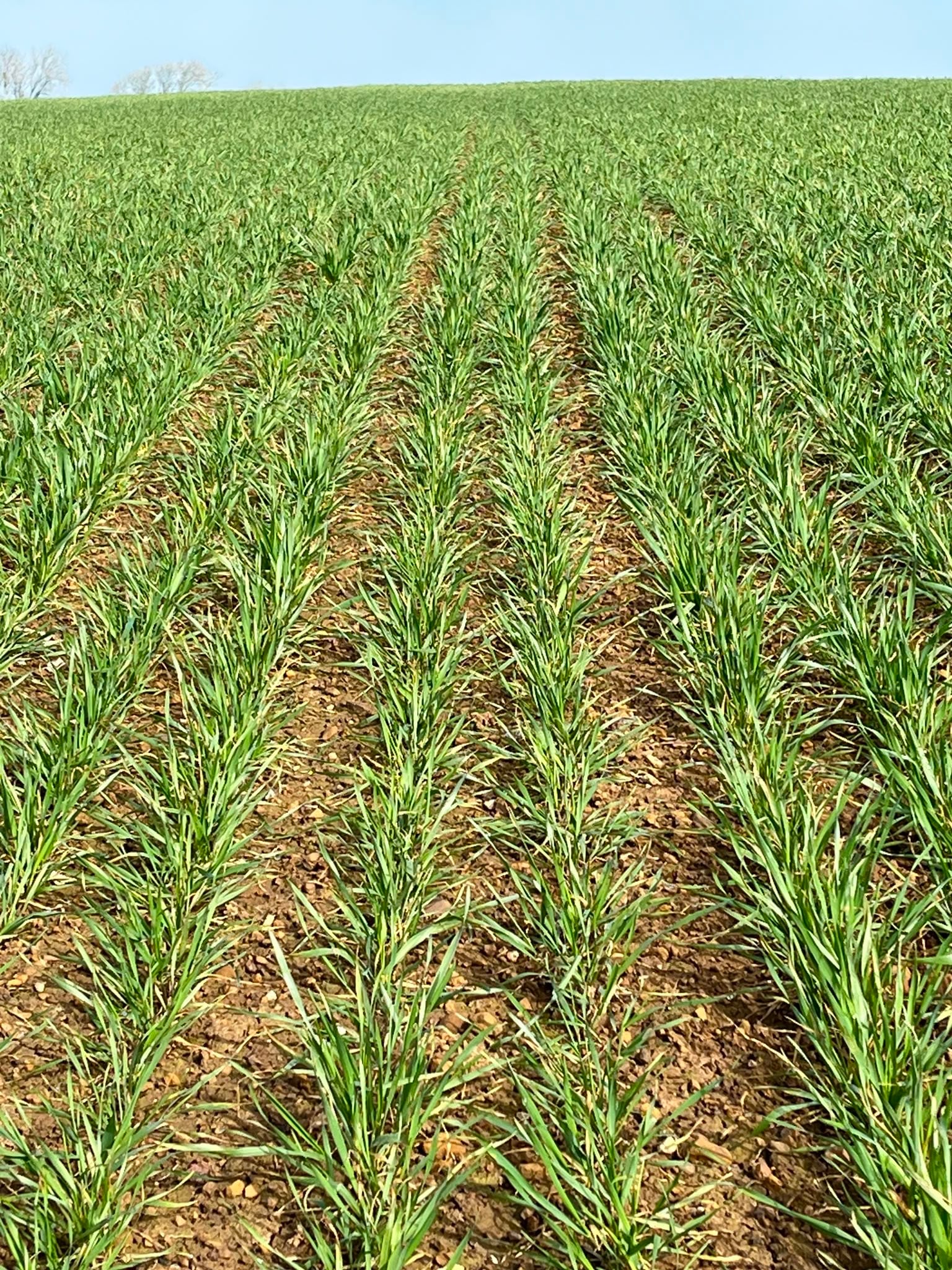
Yield stability
Consistent performance across variable environments.
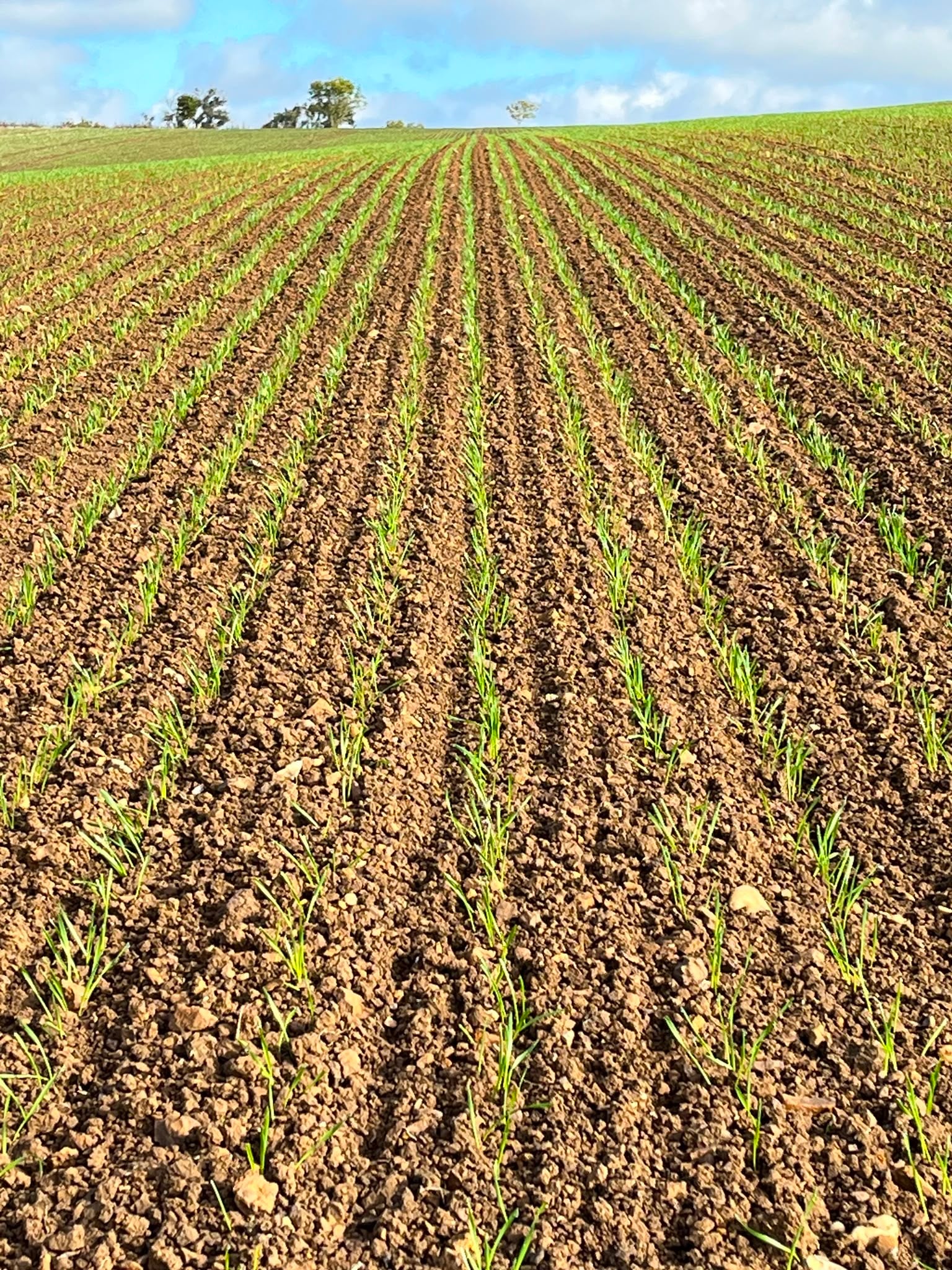
Nutrient efficiency
Improved nutrients and water scavenging.
Did you know...
Wheat has one of the most complex genomes in agriculture, roughly 5 times the size of the human genome. It also naturally self-pollinates, making hybridisation extremely difficult.
X-TERRA® is ag system ready
Results speak for themselves at Loddington, where X-TERRA® forms part of the field-scale sustainable farming systems project.
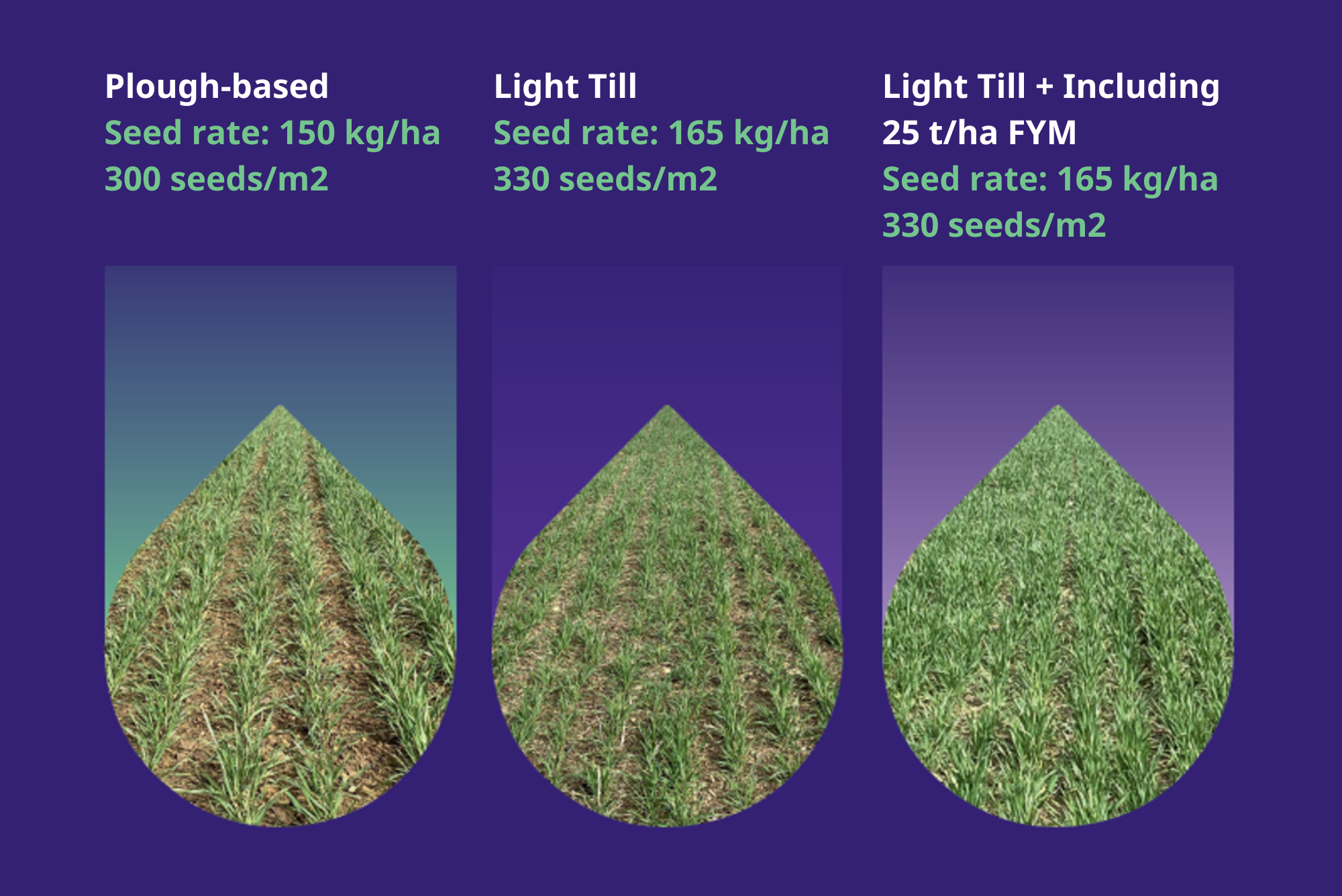
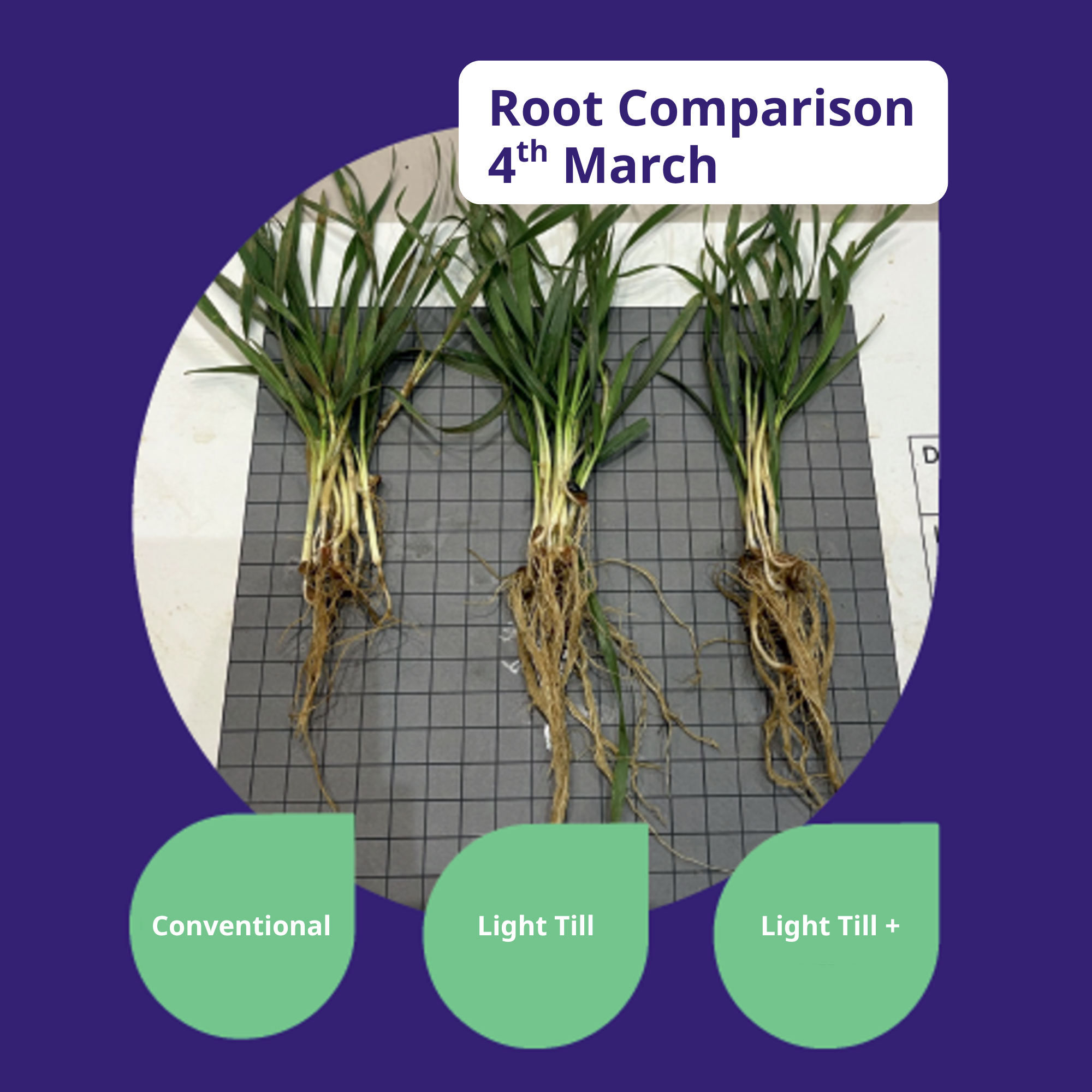
X-TERRA® is proving its value within sustainable farming systems. We're seeing stronger root mass in both light tillage and light tillage plus, demonstrating this new technology adapts well across different farming approaches.