
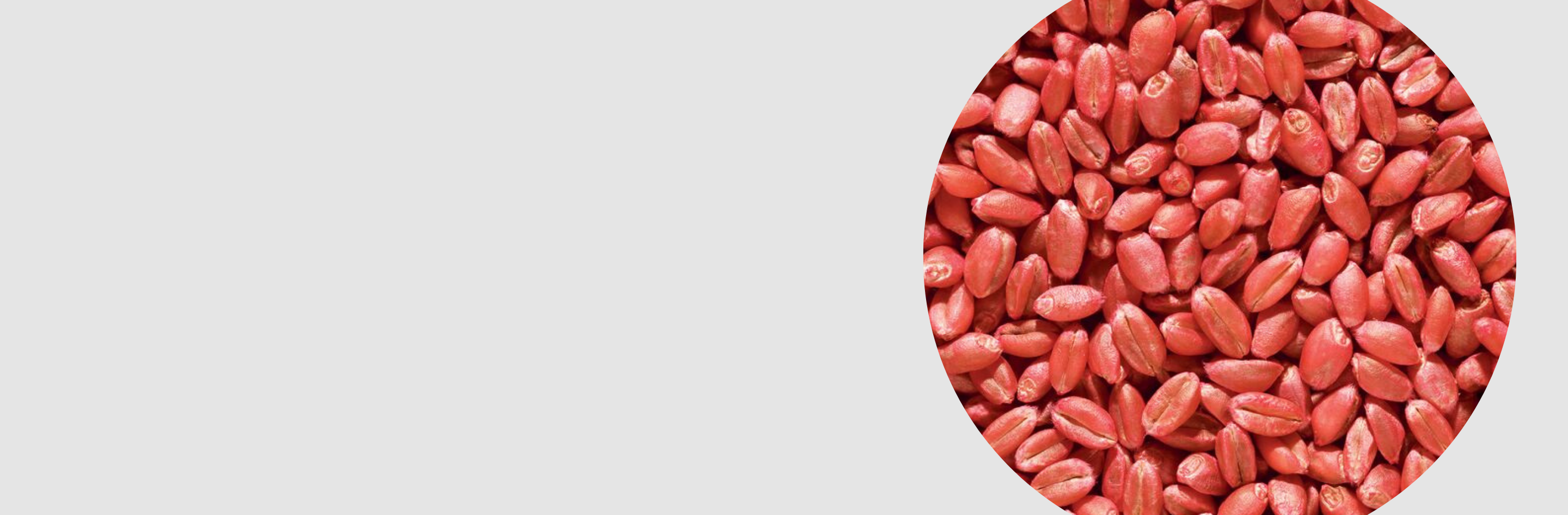
Seed & Soil-Borne Disease
Seed treatments can address the increasing challenges faced around crop establishment. Weather extremes and seasonal changes can impact seed and soil-borne disease pressure, the number of plants established and the ability for a crop to get the best start.
The use of a fungicidal seed dressing is critical to controlling a lot of common seed and soil-borne diseases. There are also diseases that are routinely controlled by dressings that can be forgotten about until particular conditions increase their presence in crops.
Click below for technical disease information:


Choosing the Right Seed Treatment
VIBRANCE® Duo contains Fludioxonil and Sedaxane for control of a range of seed borne diseases in winter and spring wheat, winter triticale, winter rye and spring oats, winter and spring barley.

VIBRANCE® Duo in Wheat (Winter and Spring)
Controls: Seed borne snow mould (Monographella nivalis), Septoria nodorum, seed borne Fusarium culmorum, Common bunt (Tilletia caries), loose smut (Ustilago tritici) and moderate control of seed borne ear blight (Fusarium graminearum).
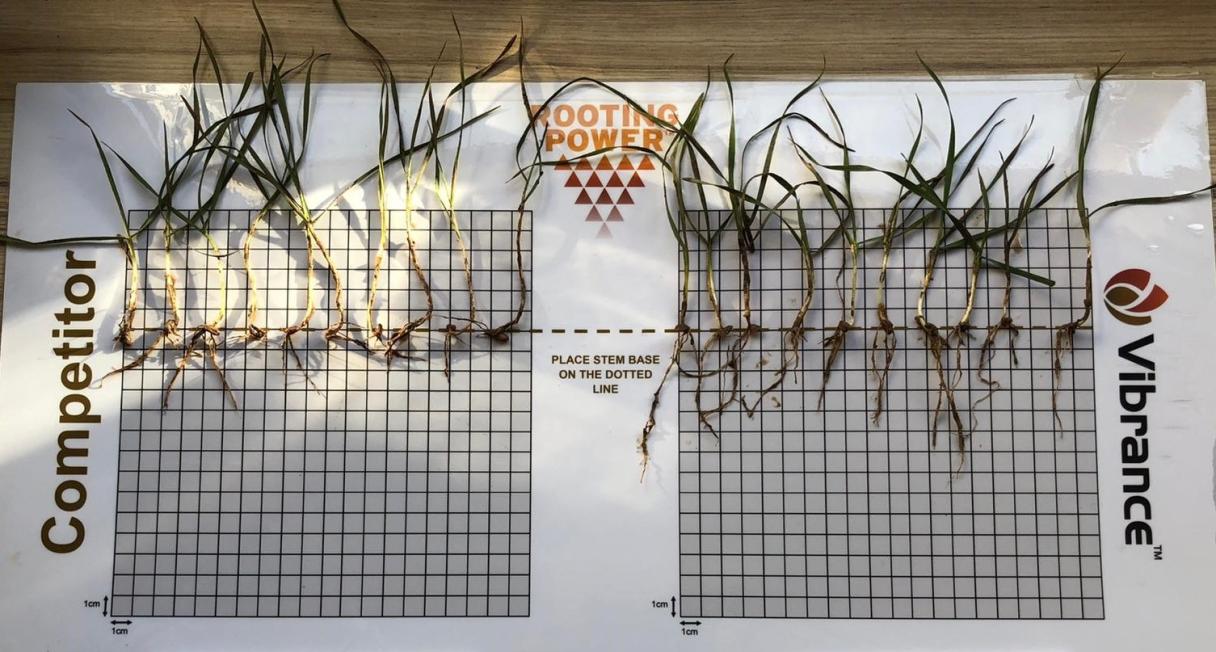
VIBRANCE® Duo Improves Crop Establishment and Rooting

VIBRANCE® Duo (left), SPD (right)
SPD (left), VIBRANCE® Duo (right)
VIBRANCE® Duo in Barley (Winter and Spring)
Controls: Seed borne snow mould (Monographella nivalis), covered smut (Ustilago hordei) and moderate control of leaf stripe (Pyrenophora graminea) and loose smut (Ustilago nuda) in barley.
(Barley seed treated with VIBRANCE® Duo must not be used for seed multiplication (certified seed) unless co-applied with another product which controls Leaf stripe (Pyrenophora graminea) and Loose smut (Ustilago nuda)).
VIBRANCE® Duo Improves Crop Establishment and Rooting
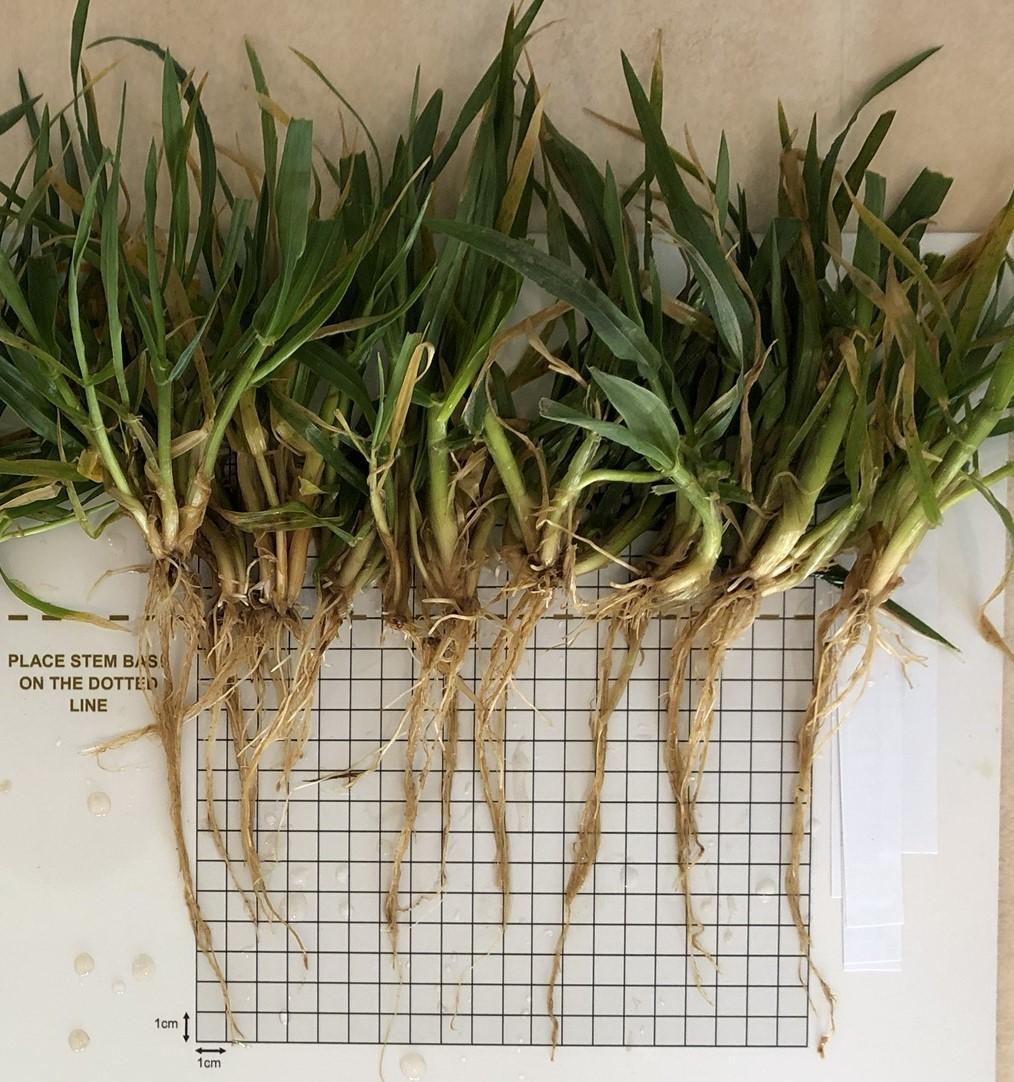
SPD
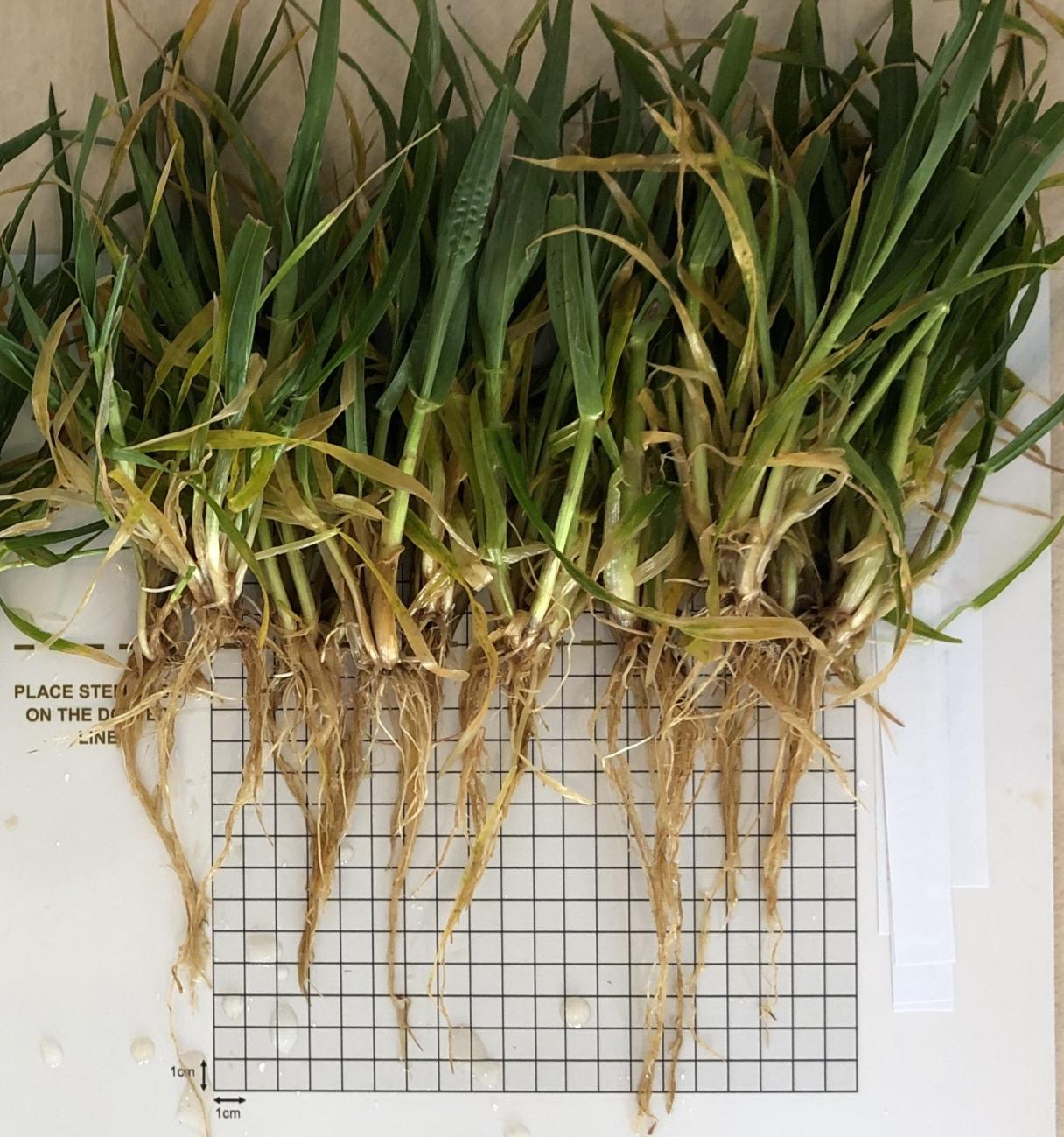
VIBRANCE® Duo
Other Crops and Diseases
Triticale (winter): VIBRANCE® Duo will control seed borne snow mould (Monographella nivalis) in winter triticale.
Oats (spring): VIBRANCE® Duo will control loose smut (Ustilago avenae) in spring oats.
Rye (winter): VIBRANCE® Duo will control seed borne snow mould (Monographella nivalis) and stripe smut (Urocystis occulta) in winter rye.
Useful links & downloads:
VIBRANCE® Duo

Seed Treatment
VIBRANCE DUO
FS (Flowable Concentrate for Seed Treatment)
- 25 g/l fludioxonil
- 25 g/l sedaxane

Seed Treatment
BERET GOLD
FS (Flowable Concentrate for Seed Treatment)
- 25 g/l fludioxonil
Pathogens: Mainly Fusarium spp and Microdochium nivale occur later in the crops development.
Affected crops: Wheat, Barley, Oats, Rye, Triticale.
Source of infection: Infected seed is most important source but also it survives on crop debris.
Symptoms:
Importance: The seed-borne phase of the disease is potentially very damaging.
Watch outs: Later drillings especially in poor seedbeds are most vulnerable. Most Fusarium spp. produce at least one mycotoxin.