


Factors influencing successful disease management
Cereal diseases cause significant crop losses every year. Effective disease management should form a key part of your integrated pest management plan to protect crop yield and quality. Crop diseases can be managed with cultural controls and the responsible use of fungicides. However, it pays to take steps to manage fungicide resistance, so you stay one step ahead of yield-robbing pathogens.
Planning ahead is crucial when it comes to cereal disease management. Start with having a base
fungicide programme in place at the start of the season and be prepared to adapt this to evolving disease factors throughout the growing season. Here are some areas to consider:
Key diseases of cereals
Choosing the right fungicide product
Using an effective fungicide as part of an integrated pest management plan can help combat yield-robbing cereal diseases. The right fungicide can improve yield, maintain quality, and protect plant health and productivity to ensure a successful harvest. But how do you know which is the best product to use on your crop?
The best product will be:
✓ Curative - to tackle recent infections
✓ Preventative - to stop further infection
✓ Persistent - to control disease for as long as possible
Syngenta’s proven fungicides are the ideal balance of curative, preventative, and persistent activity to optimise cereal disease control.
For wheat growers...
ELATUS® Era combines the SDHI active SOLATENOL® and prothioconazole to optimise control of yellow rust and Septoria at T1
For barley growers…
SDHI and triazole fungicides like ELATUS® Era offer full control of key barley diseases like Rhynchosporium, Ramularia, Net blotch, and brown rust.
ELATUS® Era offers superior disease control and optimises yields in winter and spring oats.
Find Out More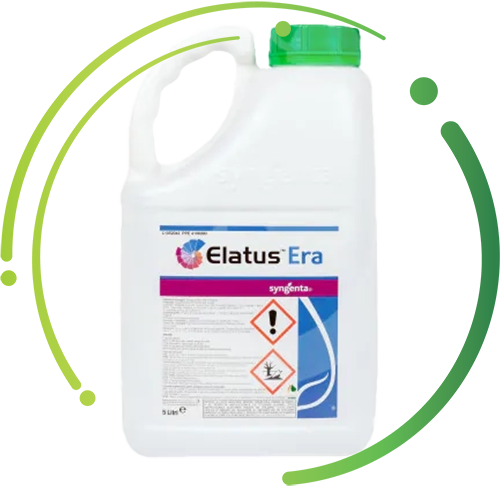

For wheat and barley growers…
MIRAVIS® incorporates ADEPIDYN® technology to transform the way you manage Septoria as well as the key barley diseases of Ramularia, Rhynchosporium, and Net blotch.
Managing fungicide resistance
Fungicides are an important part of an integrated crop management plan and help you protect crop health and achieve high-quality yield. However, some pathogens are becoming resistant, limiting the effectiveness of products.
Take Septoria tritici blotch in wheat for instance, which is becoming increasingly resistant to strobilurins and azoles, which are an anti-fungal group of active agents used in fungicides. There are increasing number of pathogens developing resistance to SDHIs every year.
How does fungicide resistance develop?
Most fungicides work by acting on metabolic pathways in the pathogen, which kills or inhibits the growth of fungi and their spores. If a fungicide with the same mode of action is used repeatedly, individual isolates of the fungal pathogen can mutate and become less sensitive to it. Fungicide resistance can either develop very quickly or more often, it happens gradually. Fungicide resistance-strategies for management
- Avoid over-reliance on fungicides-use them as part of an integrated pest management plan which incorporates the use of disease-free seed, cultural controls, and good hygiene practices.
- Only use fungicides where the risk or presence of cereal diseases justifies it.
- Use an appropriate dose for the crop and level of disease pressure. Never exceed the maximum recommended dose or frequency of applications.
- Don’t repeatedly apply the same products with the same mode of action.
- Grow a few different varieties of disease resistant crops. Growing just one variety can increase susceptibility to cereal diseases and lead to devasting yield losses.
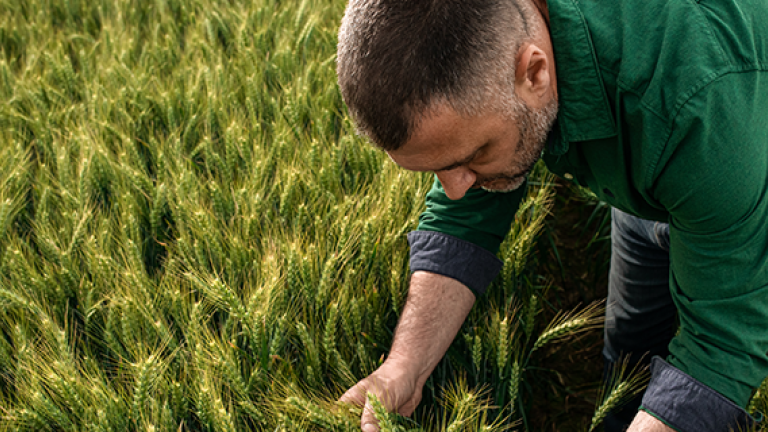
- Get out in your fields and monitor crops regularly for disease. Pay attention to any patches where disease seems to be unaffected by treatment. This may be a sign that fungicide resistance is developing.


Cultivation is essential for breaking down crop residue left over after harvest which can harbour cereal diseases. Tillage can help reduce levels of soilborne fungi and fungal foliar diseases.