

Your long-term partner in crop management
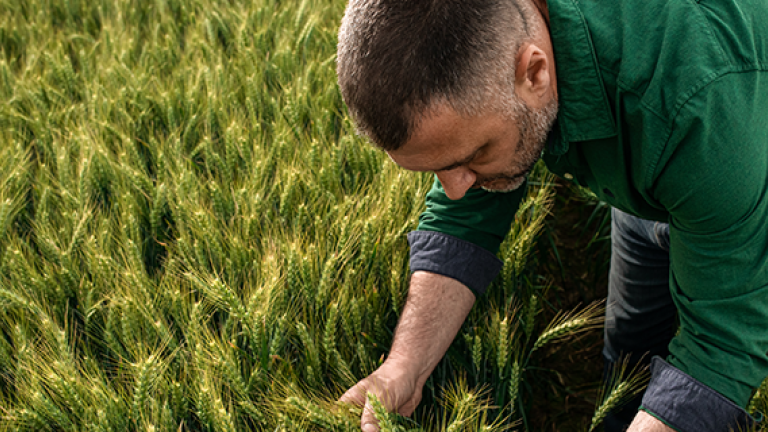
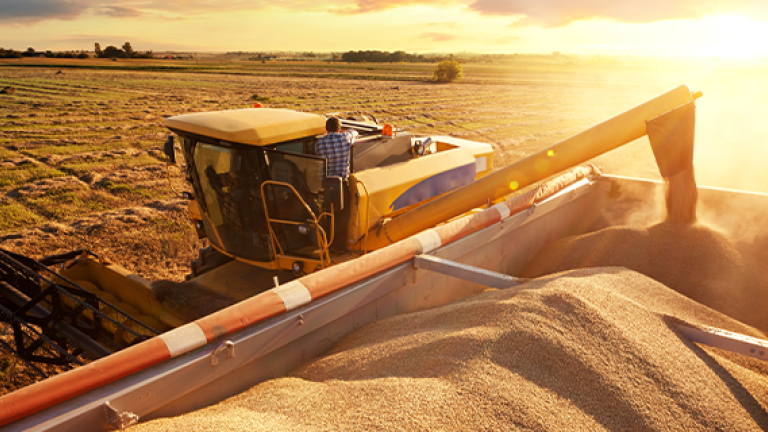
To ensure you can consistently and sustainably produce high quality cereal yields in the long-term, an integrated approach is essential to your success. We can help you build an effective cereal management strategy through our extensive agronomic experience. Alongside our cereal seed varieties and seed treatments, our portfolio of herbicides, fungicides, plant growth regulators (PGRs), and new farming technology solutions will ensure you’re fully supported
STRATEGIES FOR SUCCESSFUL CEREAL CROP PRODUCTION
A key way to help your cereal crops reach their full potential in the long-term is by balancing productivity, profitability, and environmental stewardship using these key strategies:
Disease and Weed Management
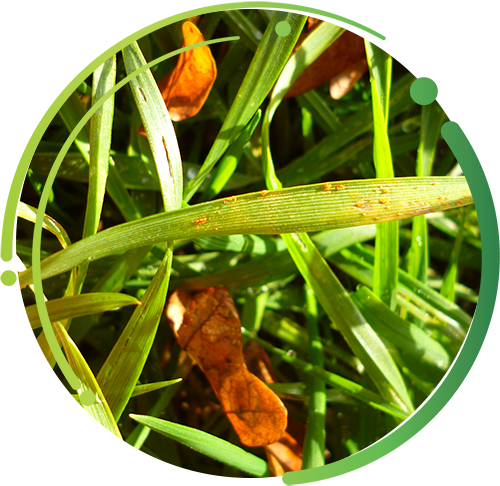
Cereal crop diseases can significantly reduce crop yield quality. Effective disease management is a vital part of an integrated pest management plan. The responsible use of fungicides maintains crops health and productivity, while reducing resistance and protecting the environment.
Managing weeds like black-grass, ryegrass, and wild oat will help protect your cereal crop. Weeds compete with crops for light and nutrients and as little as five wild oat or eight rye-grass plants per m² can cause a significant yield loss. Pre-emergence herbicide application and cultural control strategies can help you manage weeds.
Sustainable agricultural practices
Successful cereal crop production starts with healthy soil. Nutrient-rich soil which has a good structure can encourage healthy plant growth so crops reach their full potential. Traditionally, cereal production has relied on the intensive use of chemical inputs which has led to soil degradation. Sustainable agriculture practices such as reduced tillage and crop diversification preserves soil health and fertility, reduces erosion, and improves water infiltration.

Precision farming
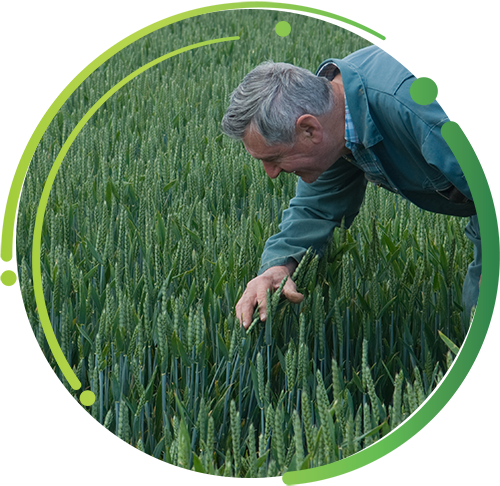
Using technology like Cropwise Spray Assist and our Cultivation Insight Tool will help you monitor crop health and nutrition, apply products exactly where they are needed, and protect the environment while enabling you to make the best use of your precious resources.
Use plant growth regulators
Plant Growth Regulators are synthetic compounds that regulate plant growth and development. They reduce the risk of lodging by shortening the crop, improving plant metabolism and also enhance nutrient uptake for healthier plants and greater yields.