



Plants are constantly adapting to environmental stresses such as temperature stress. However, when those stresses are extreme or prolonged, it can harm a plant’s natural ability to protect itself. The effects of temperature stress may make potato plants more susceptible to drought or nutrient stress and weaken their defences against pests and diseases.
As periods of hot weather are becoming more frequent and intense, we are here to help you protect your potato crop from temperature stress with our new technologies,
QUANTIS®, and a heat stress tool in the Spray Assist app.
QUANTIS® is a liquid biostimulant applied at tuber initiation at least 24 hours before temperature stress is expected.
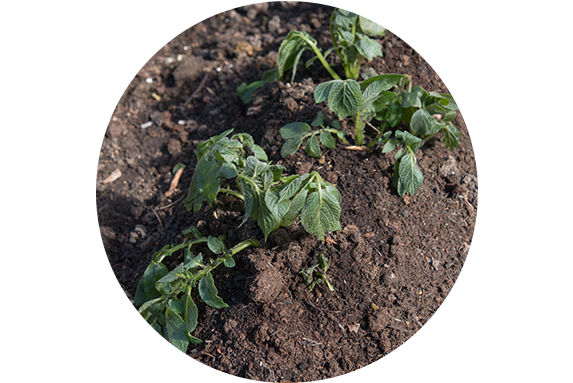
WHAT ARE THE EFFECTS OF TEMPERATURE STRESS ON POTATOES?
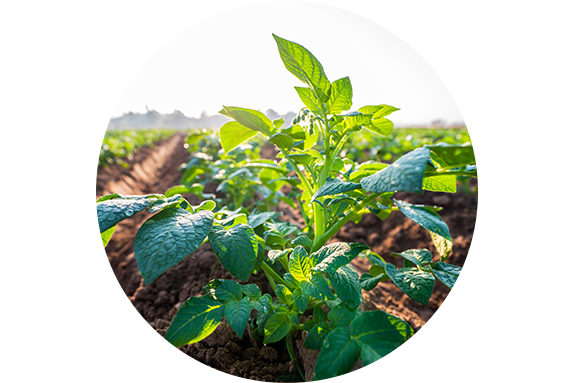
In temperature stressed potatoes, plant cells respond to try and minimise the effects of the high temperatures. One important way they do this is producing proteins that will better protect them from temperature stress. To make these proteins, they draw upon their reserves of proteins and enzymes which would usually be used for growth and development. If temperature stress occurs when the potatoes are developing tubers, that same process can divert essential sugars, carbohydrates, and other energy sources from being stored in the tuber. This leads to a reduction in the number, size, and quality of tubers.
Another side effect of potato temperature stress is oxidative stress, an increase in the production of reactive oxygen species (ROS), also known as free radicals. The accumulation of ROS can cause plant cell decay and death, further impacting on photosynthesis and yield.
HOW WE’RE HELPING GROWERS COMBAT STRESS IN POTATOES
Our new naturally derived biostimulant QUANTIS® biostimulant contains just the right amount of organic carbons, potassium, calcium and carbohydrates in the form of sugars and amino acids to help manage temperature stress in your potatoes. These compounds support potato plants through key stages of tuber development, protecting yield and quality.

How QUANTIS® works

QUANTIS® triggers the plant’s own protective mechanisms to help it maintain effective photosynthesis and minimise the damage caused by ROS. If plants can continue photosynthesis, the production of essential proteins needed for growth and development is maintained.
The product does this thanks to its main component organic carbon, which includes sugars and organic acids that have antioxidant properties. The antioxidant effect minimises the damage caused by ROS in plant cells and restores the plant’s normal physiological balance. This means the plant no longer needs to draw on its reserves of sugars and carbohydrates to minimise the effects of temperature stress, and this essential energy can make its way to the tubers.
The organic carbons and amino acids in QUANTIS® also supply the energy and protein building blocks which are necessary for photosynthesis and efficient nutrient uptake; both of which can be affected when potatoes get stressed.
QUANTIS® is applied through our 3D ninety nozzles, specially designed to maximise canopy penetration to target lower leaves. By using an angles spray pattern and a consistent larger droplet size, the spray pattern is more stable, achieving a more consistent coverage of foliage at all levels and minimising disruption of the spray in gusty wind conditions.

QUANTIS® also provides osmoprotection, enabling plant cells to maintain their optimum water balance. When plant cells are deprived of water due to high temperatures or the effects of drought stress, they become less efficient and less able to protect themselves against other stresses. If water is drawn out of plant cells, it reduces the pressure inside the cells, leading to cell collapse and plant wilting. QUANTIS® protects against this, strengthening the plasma membrane around the cell, helping it maintain the pressure that holds water in the cell so it can maintain normal function. In this way, the product slows the damaging effects of temperature and drought stress in potatoes, giving plants time to adapt to conditions.
Local trials in 2022-23 showed when QUANTIS® was applied at tuber initiation and bulking, the average yield increased by 3.04 t/ha compared to untreated crops.
This shows that biostimulants offer huge potential for enhancing plant growth and improving yields, even under stress conditions.