Higher yields because:
- More output is needed from the land we already farm.
- Farmer productivity and income depend on it.
- Efficiency on existing land reduces pressure to clear more.
Lower impact because:
- Emissions must fall from agriculture and our own operations.
- Deforestation must stop, protecting critical ecosystems.
- Soil health, water stress and biodiversity must be managed.
Our Sustainability Goals
The land available for agriculture is finite, but the pressure it puts on soil, water, and forests is real and growing. Our sustainability goal is simple: Higher yields, lower impact.
Agriculture faces two demands that can appear to be at odds. First: to produce more food, fuel, and fiber for a growing population and changing diets. And to do so while protecting the ecosystems that this production depends on.
Industry Leading products
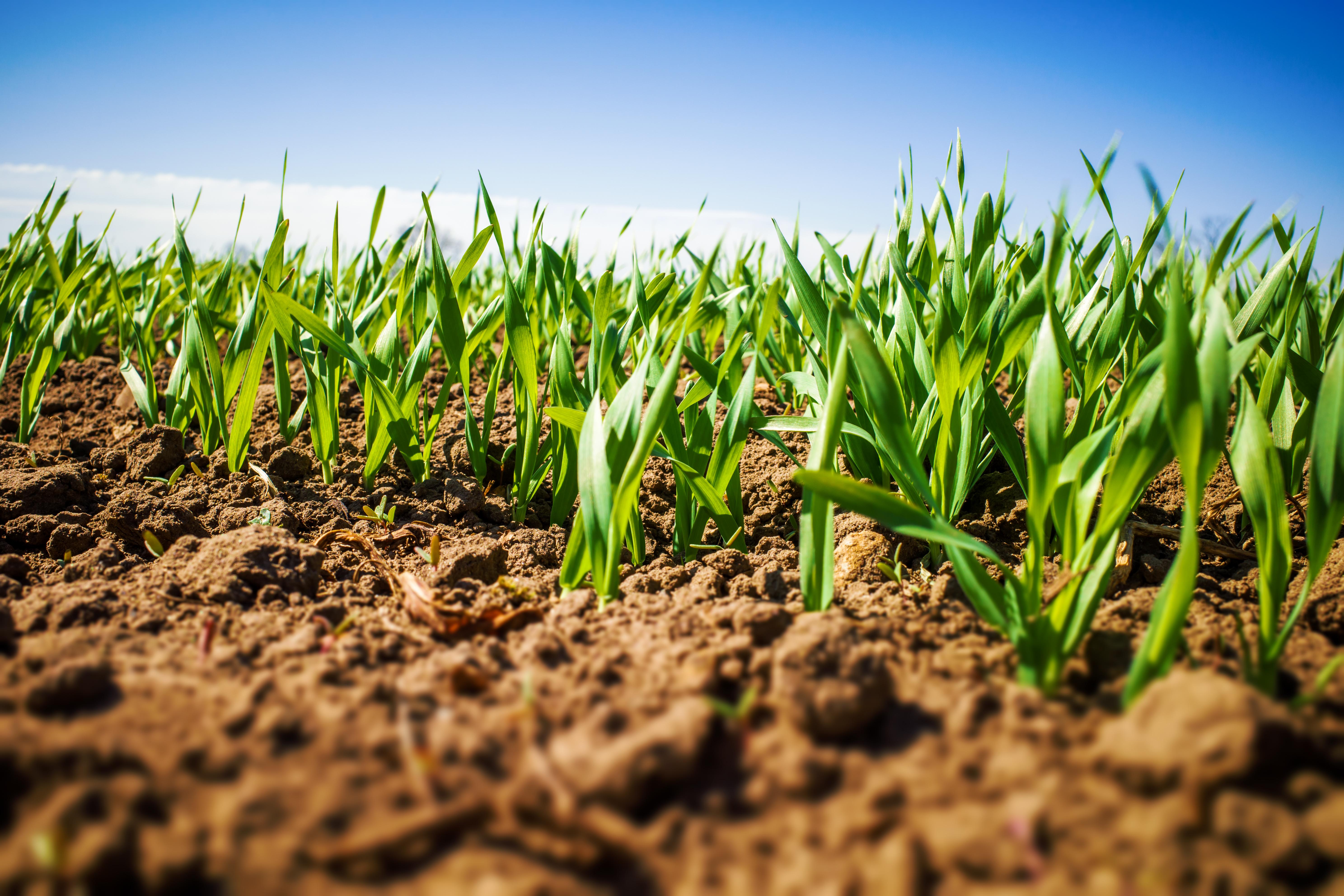
Our seeds are designed to withstand heat, drought, pests and disease – so farmers can maintain or increase yields in the face of challenging weather conditions, and without expanding farmland.
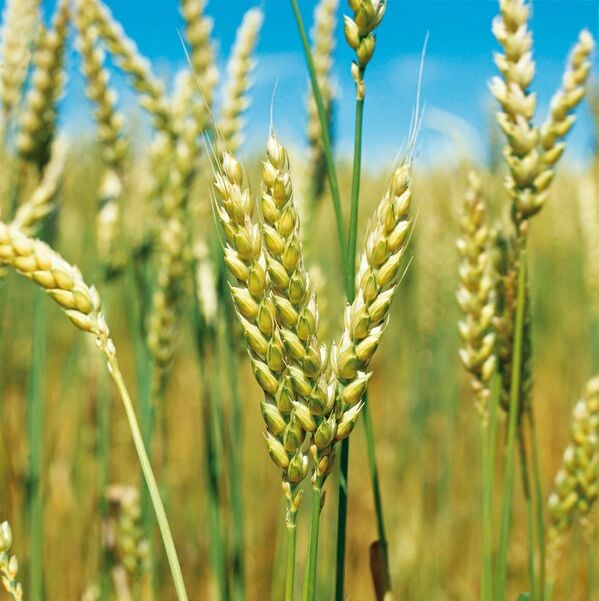
Crop protection products, developed under 'Safe by Design' principles, focus on selectivity, lower application rates and sustainability integrated end-to-end. This improves efficiency, maximizes yields, and reduces dependencies across the food system.
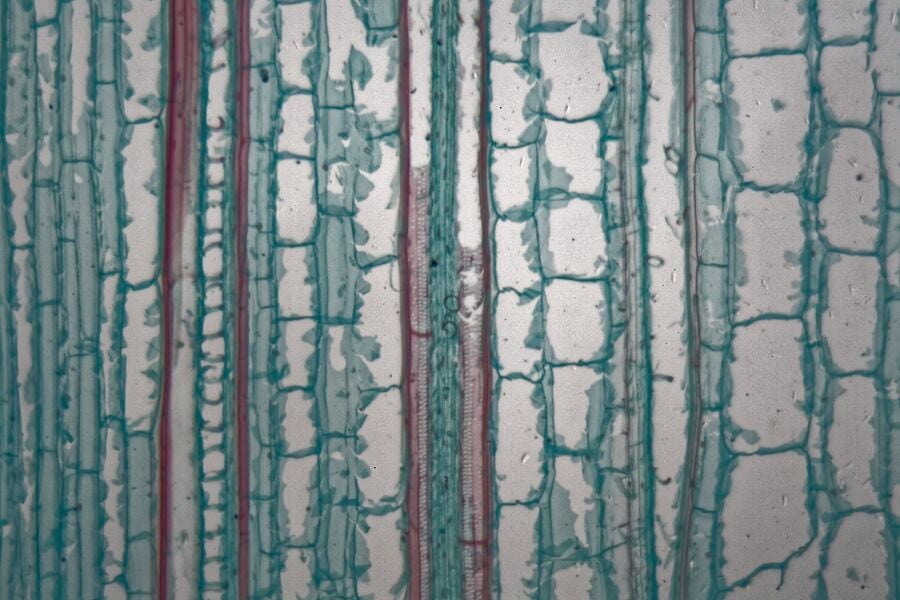
A growing portfolio of biocontrols, biostimulants and nutrient use efficiency products work alongside conventional inputs, protecting crops, helping plants thrive under stress, and enhancing their ability to take up nutrients.
The Regen Ag project is vital because it demonstrates that profitable food production and environmental delivery can go hand in hand. By building long-term, consistent data at scale it helps us understand which practices strengthen soil health, reduce environmental impact and remain economically viable for growers. This evidence gives farmers, customers and supply-chain partners the confidence to invest in solutions that build resilience creating a more productive, sustainable food system for the future.