What is Operation Pollinator?
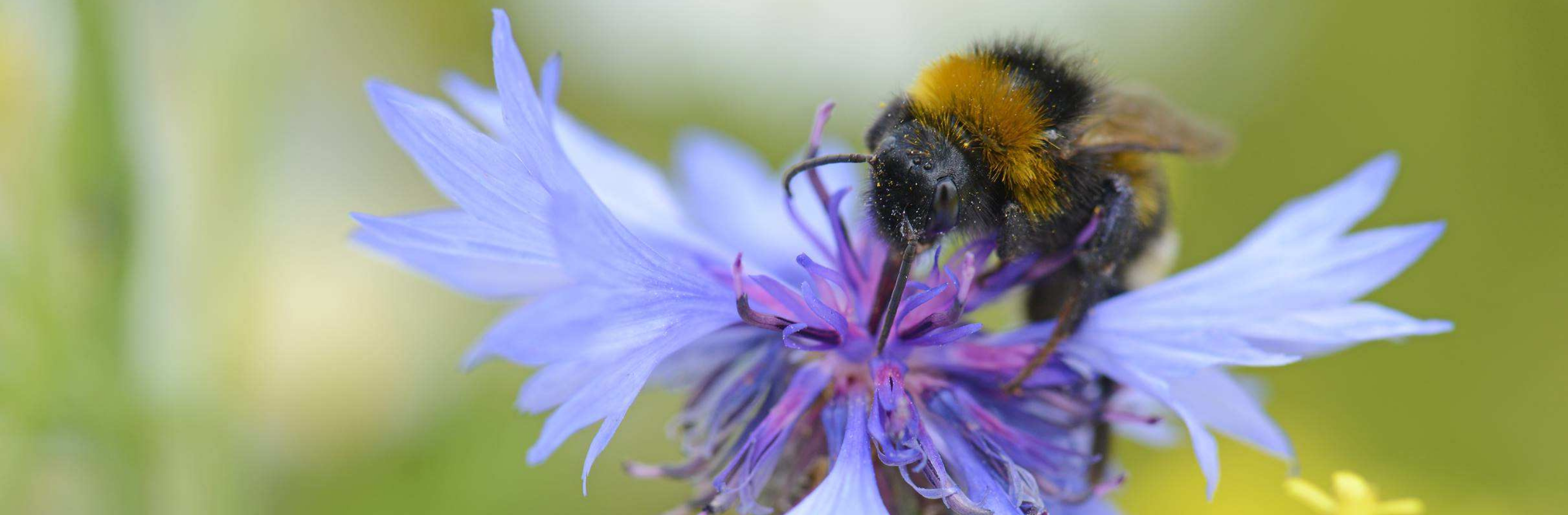
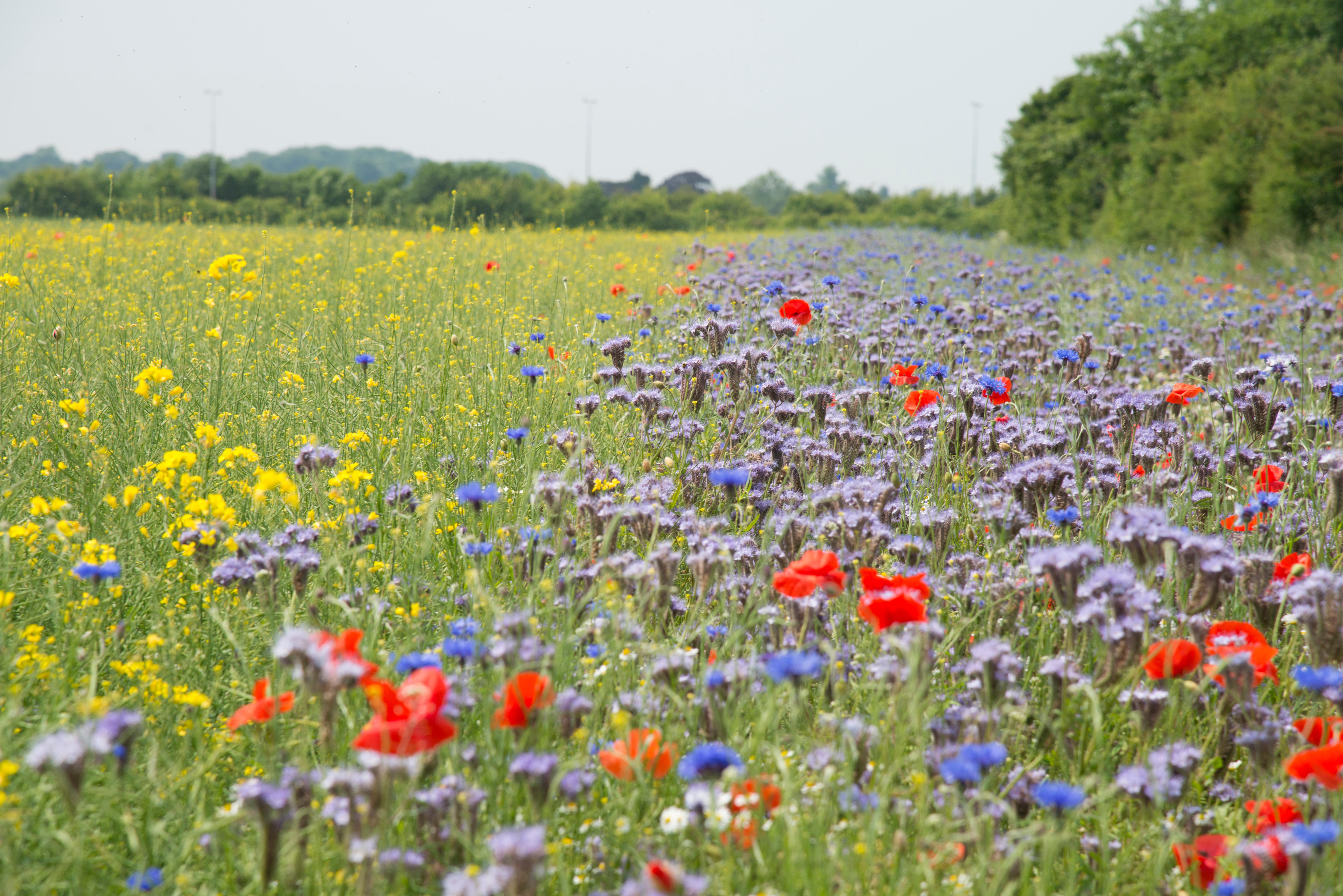
For over twenty years, Syngenta’s Operation Pollinator seed mixes, tailored to local conditions, have created essential habitats in the field margins, headlands and fallow land. These habitats provide nesting and food resources for pollinators, beneficial insects, as well as farmland birds, while enhancing overall biodiversity. Operation Pollinator provides farmers with important ecosystem services like pollination and pest control, balancing agricultural productivity needs in an environmentally sustainable way.
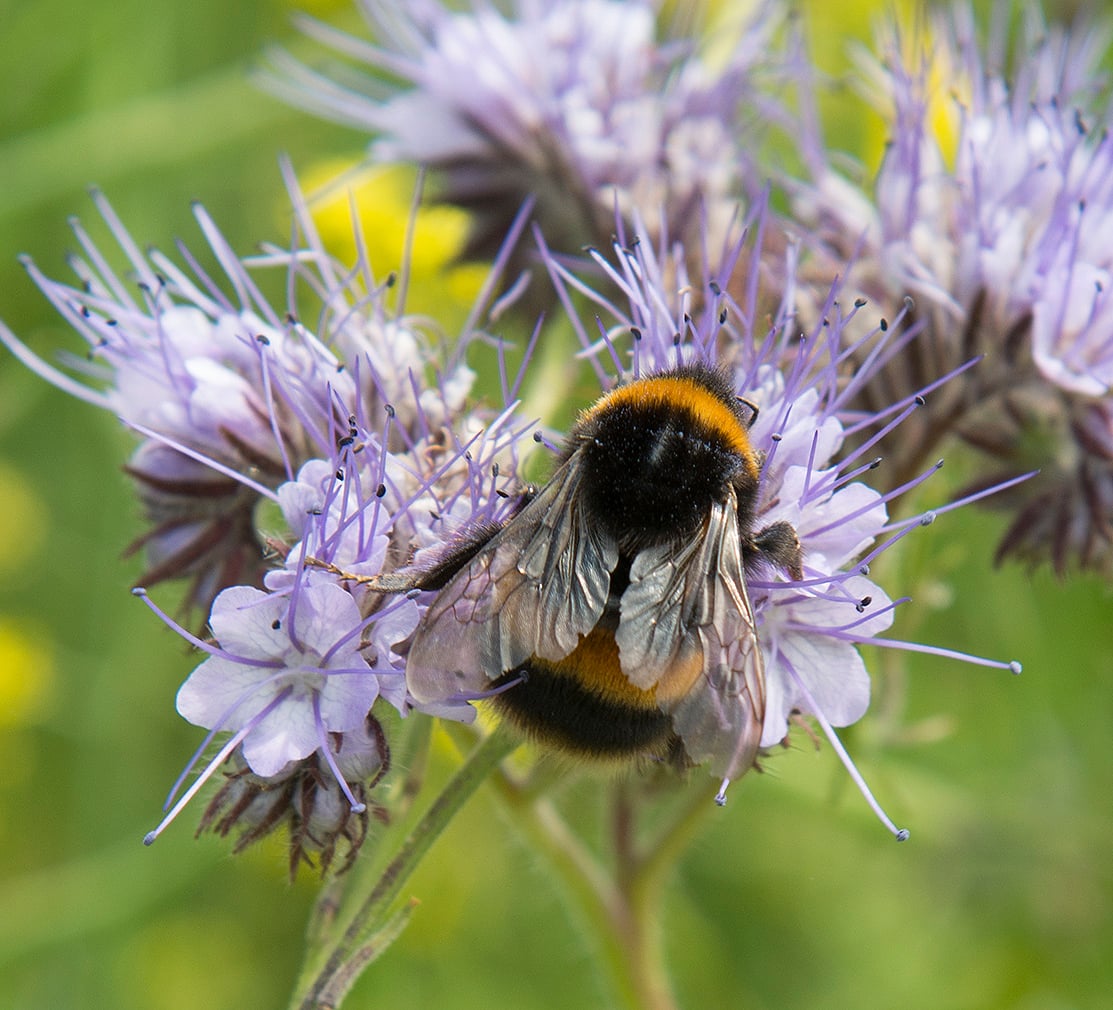
Operation Pollinator mixes don't just help the wildlife, they also help your farm too!
The benefits are:
- Supporting biodiversity
- Part of IPM strategy
- Reducing run off and erosion
- Capturing nutrients
- Improving soil health
- Protecting water courses
- Helping farm management
Independent monitoring by the Buzz project (2001-2005), has shown that habitat creation for pollinators increased:

Butterflies by 12 fold
Bumblebees by 6 fold

Beneficial insects by 10 fold
Our Mixes and Seed Deals
Bees'n'seeds Mix
Provides valuable late season pollen and nectar, before producing an essential food seed source for many farmland birds
Operation Pollinator Annual flower Mix
Producing season long display of flowers that provides vital pollen and nectar for pollinating insects
Green Headland Mixes
Suited for planting on uncropped headlands or whole fields to support wildlife, improve soil health and reduce potential run-off.
All seed mixes are available for Partnership Plan members to purchase via the catalogue using their Syngenta points.

Operation Pollinator Seed Mixtures Q&A
Operation Pollinator Bees’n’Seeds Mix
What is the Bees’n’Seeds offer?
The Bees’n’seeds mix is available for £93 per pack including agronomy advice. Each 20kg pack will sow up to one hectare and is available by contacting Frontier Environmental Crops - Tel: 01379 658 135
What is in the seed mix?
The mix is made up from kale rape, Phacelia, fodder radish, brown mustard, mustard, buckwheat, Gold of Pleasure and sunflower.
What are the key benefits of the mix?
The mix has been specifically designed to offer a range of flowering plants. The selection provides late season pollen and nectar for pollinators and insects - when many other plants have reached the end of flowering - and then goes on to produce a wide range of seeds suitable for many farmland birds over the winter. The mix also provides an ideal habitat for game birds, so would complement other game crops. The mix has been put together to be safely managed with a pre-emergence herbicide and a subsequent graminicide, if required.
Where can I plant Bees’n’Seeds?
Bees’n’Seeds will establish on a wide range of soil types. Plant into a site that is as weed free as possible. Site the plot in an area suitable to attract wildlife. You can plant in small blocks, or as margins around headlands. It is also beneficial for sporting interests as required.
When do I plant Bees’n’Seeds?
The most suitable time to plant the seed mix is May through to mid July. Leave the soil to warm up before planting, as this will encourage a quick establishment and help plants grow away from potential attack from flea beetle and other crop pests.
How do I plant Bees’n’Seeds?
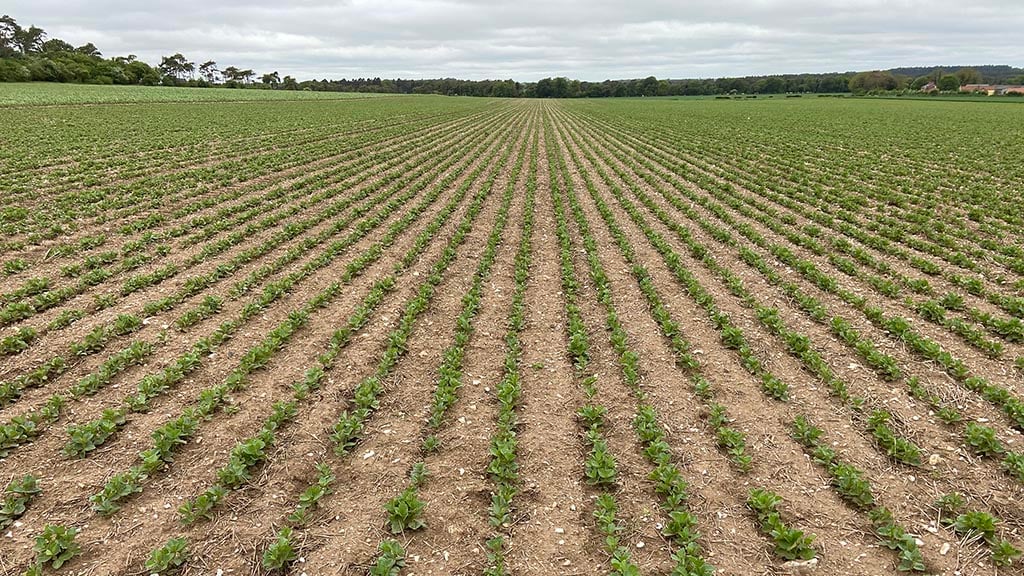
Bees’n’Seeds can be planted with a standard drill to a depth of 15 mm and should be drilled at a row spacing of 35-45 cm apart. This will encourage tillering, allow sun to reach the soil to increase warmth and allow access for farmland birds.
Once I have planted the seed what further agronomic inputs should I use?
A total of 60 kg N/ha is recommended to help maximise the potential for seed creation of this mix. Apply 1/3 of the fertiliser into the seedbed and then apply the remaining three weeks after planting. The mixture is tolerant to metazachlor and a graminicide can be applied later if necessary.
When and how do I destroy any of the residue crop material in the plot area?
Leave the mix for as long as possible into the spring, to allow farmland birds to access all the seed provided. Once all the seed has been eaten and you are ready to start again, we recommend the plot is topped, sprayed with glyphosate and cultivated ready for planting later.
If I left the mix would it germinate again in the second year?
You may get some germination in the second year, but the quality of the habitat would be poor. To make the most from the area, it is strongly recommended to re-sow with a fresh seed mix each year.
Can I plant the same mix again in the same place or do I need to rotate it around the farm?
Like many farmland bird mixes and game crops, this mix can be planted again in the same place. However, you may find after a number of years weeds become an issue, so it may need re siting. Ideally such a mix should be rotated with a game cover crop, or even a pollen and nectar mix, as this will provide a fertility boost to the following Bees’n’Seeds mix.
Operation Pollinator Annual Flower Mix
What is the Operation Pollinator Annual Flower Mix offer?
The Operation Pollinator Annual Flower Mix is available to purchase at £76.80 +VAT per pack including agronomy guidelines. Each 4kg pack sows up to one hectare and is available to purchase directly from Frontier Environmental Crops - Tel: 01379 658 135
What is in the Operation Pollinator Annual flower mix?
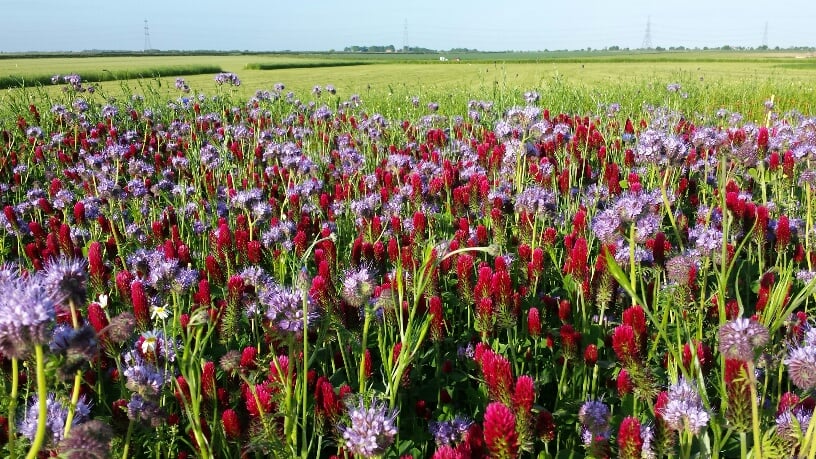
The mix contains phacelia, crimson clover, red clover, cornflower, corn marigold and corn chamomile.
What are the key benefits of the offer?
This bespoke mix was developed to support pollinating insects, by providing pollen and nectar for many of the summer months and be relatively easy to manage. The flower species within the mix are fast growing annuals. The diversity of species means this mix will start flowering towards the end of oilseed rape, and has the potential to flower right through into October (season depending). This earlier flowering time fills in an important gap after oilseed rape, and before the main period of perennial plants flowering, so works especially well with a range of habitats.
When do I plant the mix?
This mix is ideally planted in the autumn, at a similar time as oilseed rape, and works well as a margin along an oilseed rape field. Plant at the end of August until mid September. Do not plant if soil conditions are very dry, as the small seed on the surface will struggle to establish.
Can you plant the Operation Pollinator Annual Flower Mix in the spring?
This mix will work if it is spring sown, but you will lose the benefit for pollinators since its flowering period will start later, thus missing an important time of year when pollen and nectar is short for pollinators.
Where can I plant the mix?
This mixture is suitable for most soil types and can be planted as margins or an area of a field. To attract the pollinators and wildlife into the plots it is best suited in areas not exposed to the wind or in permanent shade.
How do I plant the mix?
The seedbed required for the mix needs to be fine and similar to that for oilseed rape or grass seed. As weed control through herbicides is very limited, ideally you need to start with a stale seedbed. The seed needs to be broadcast onto the surface or through a drill with the coulters raised onto the soil surface. A roll will be required after broadcast to gain the soil to seed contact.
Once I have planted the mix what further management will I need to carry out?
This Operation Pollinator Annual Flower Mix does not need any fertiliser or nutrients applied - herbicides are rarely used. If the mix comes through the winter very well you may get a dominance of phacelia, which can be lightly topped in early spring, to allow the other species to gain some light and compete with the phacelia. To encourage flowering at the end of summer you may wish to consider topping half the area in April/May before flowering, to hold it back.
How and when do I remove the Operation Pollinator Annual Flower Mix?
For the annual mix it is best to leave it in place until the end of flowering. Simply top the haulm and spray off any green material as necessary. You can leave the plot undisturbed over winter and you will find farmland birds will enjoy the seed from the flower heads.
If I just leave the margin will it flower again in the second year?
This mix has been developed as an annual mix and has been carefully put together to give a good balance of open and closed flower types that flower for many months to provide for a wide range of pollinators from all three bee groups (honey, bumblebee and solitary bees). You will be able to get a second year of flowering, but you may have to top-up the plot with fresh seed, or be prepared to accept a lesser stand in year two.
Operation Pollinator Green Headland Mixes
What is the Green Headland Mix offer?
The offer is to purchase a bespoke mix specifically designed to be planted on headlands of potato and vegetable crops. It is a valuable green cover for any uncropped areas of fields to aid soil structure recovery. It is available as a brassica based mix at £72 per pack or a non-brassica mix at £67, including agronomy advice. Each 20kg pack will sow up to one hectare. Seed is available by contacting Frontier Environmental Crops - Tel: 01379 658 135
What is in the seed mix?
The standard mix contains: oil radish, phacelia, common vetch, buckwheat and berseem clover. The non-brassica option: vetch, buckwheat, linseed, crimson clover, phacelia and berseem clover
What are the key benefits of the mixes?
The mix has been specifically designed to offer a range of plants that will contribute to soil health and structure. The mix will bring a variation of rooting depths and activity that will provide benefits through the soil profile.
Planting this mix on un-cropped land will ensure the land enters the following crop in a far better condition than when left as bare land. This range of species has been shown to bring significant benefits to pollinators, beneficial predators and, in turn, farmland birds. Green Headlands host a range of beneficial predators of insect pests and could further create a vegetative barrier to hold up or prevent the transition of virus vector aphid pests into the crop.
New research is investigating potential of planting this mix within the field, to encourage predators throughout the crop.
Where can I plant the Green Headland Mix?
The Green Headland Mix will establish within a range of soil types and fits within the majority of rotations where green cover crops will bring benefit. The mix can be planted on a field scale or within un-cropped headlands (particularly applicable within potato and vegetable situations).
When do I plant the Green Headland Mix?
The mix can be planted from late April, through to mid-August. Leave the soil to warm up before planting, as this will encourage a quick establishment. For maximum benefit to pollinators this mix is best planted through the summer months. Where it is to be planted in the autumn, leaving it through until April/May will bring extended soil benefits and provide an early pollinator food source.
How do I plant the Green Headland Mix?
The mix can be planted with a standard drill to a depth of 15 mm in standard rows – it can be broadcast but drilling is preferable. The soil does not need to be cultivated to a depth; surface tilth needs to be fine enough for good seed to soil contact. A ring roll is preferable after planting.
Once I have planted the seed what further agronomic inputs should I use?
To help maximise the growth potential and encourage rapid establishment, a total of 30 kg N/ha is recommended. Weed control should not be necessary. For specific guidance please speak to Frontier Environmental Crops Technical support or your local agronomist.
When and how do I destroy any of the residue crop material in the plot area?
Once the mix has reached mid flowering it should either be topped at mid height to offset flowering, encourage further rooting and prolong the longevity of use, or be destroyed with glyphosate. Where growers are concerned with potential seed set, it is important not to let the mix go beyond the mid flowering point.
Will this mix cause any issues to following crops?
None of the components cause any issues for following crops. Oil radish is not a club root host so is fine within a brassica rotation.
Can I plant the same mix again in the same place or do I need to rotate it around the farm?
Generally this mix will be planted rotationally around the farm so repeated planting on the same area is unlikely.
Advice
Operation Pollinator Growers Guidelines
Find out how to get the best success from sowing Operational Pollinator mixes and how multifunctional landscapes could help?
Download Guidelines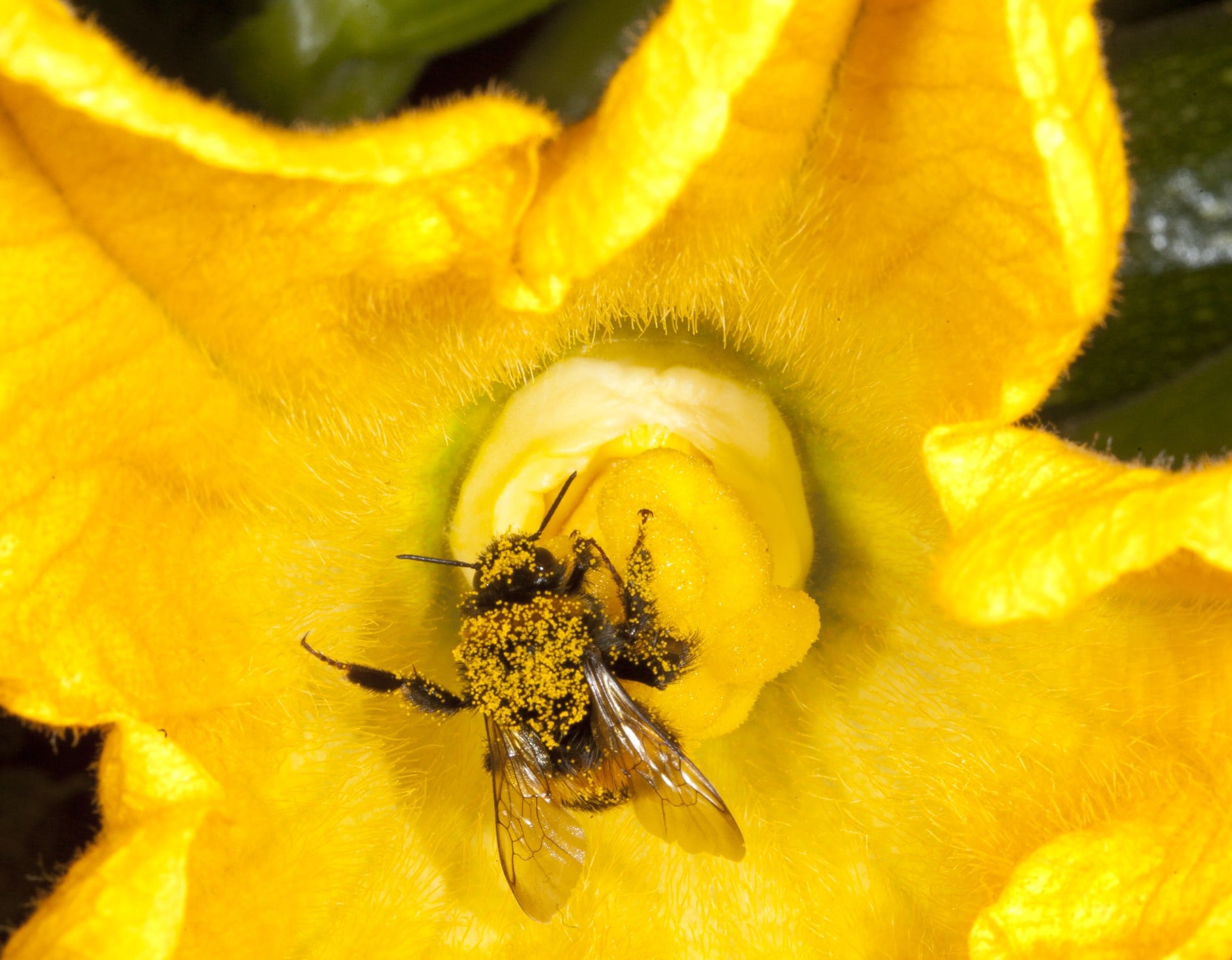
Stewardship measures to protect pollinators on farms
Advice and practical ideas for measures to minimise risks to pollinators and other farm biodiversity when using crop protection products
Download Brochure