Quantis temperature stress science paper published
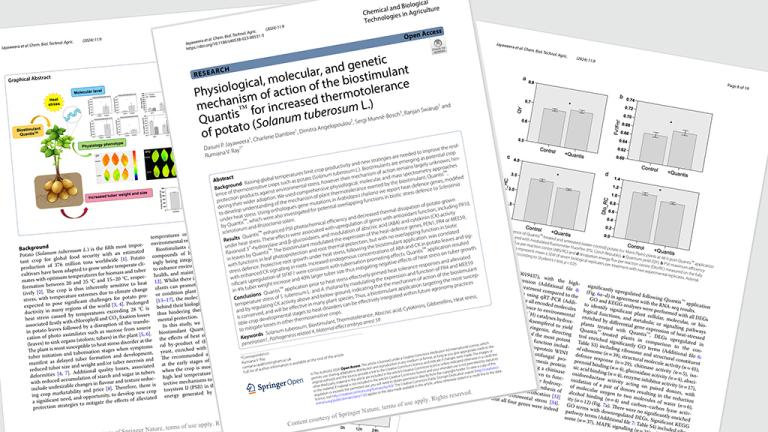
Scientists at Nottingham University have published the findings of their research into the use of Quantis to manage temperature stress in potatoes and other crops.
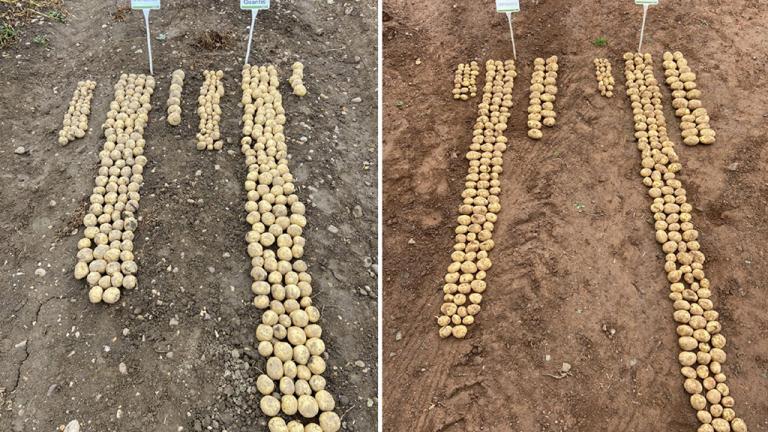
Reporting in the scientific journal Chemical and Biological Technologies in Agriculture, the researchers identified: “Quantis application resulted in 4% tuber weight increase and 40% larger tuber size, thus mitigating negative effects of heat stress on tuber growth.”
Download and read the full report here
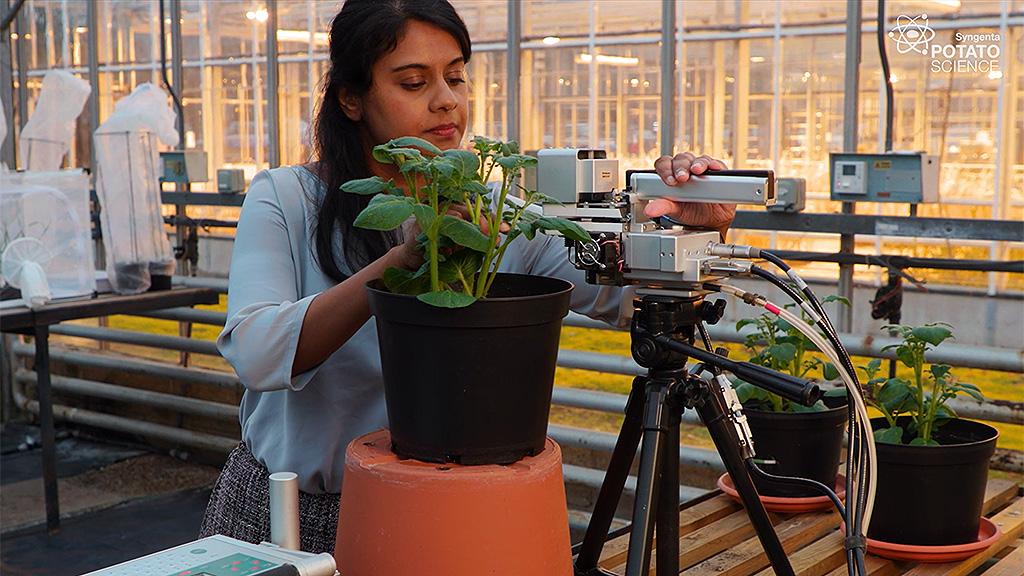
Leading the project’s delivery, Nottingham University Research Fellow, Dasuni Jayaweera (above), highlighted: “Raising global temperatures limit crop productivity and new strategies are needed to improve the resilience of thermosensitive crops such as potato (Solanum tuberosum L.).
Read more about the field implications in potatoes
“Biostimulants are emerging as potential crop protection products against environmental stress, however their mechanism of action remains largely unknown, hindering their wider adoption.”
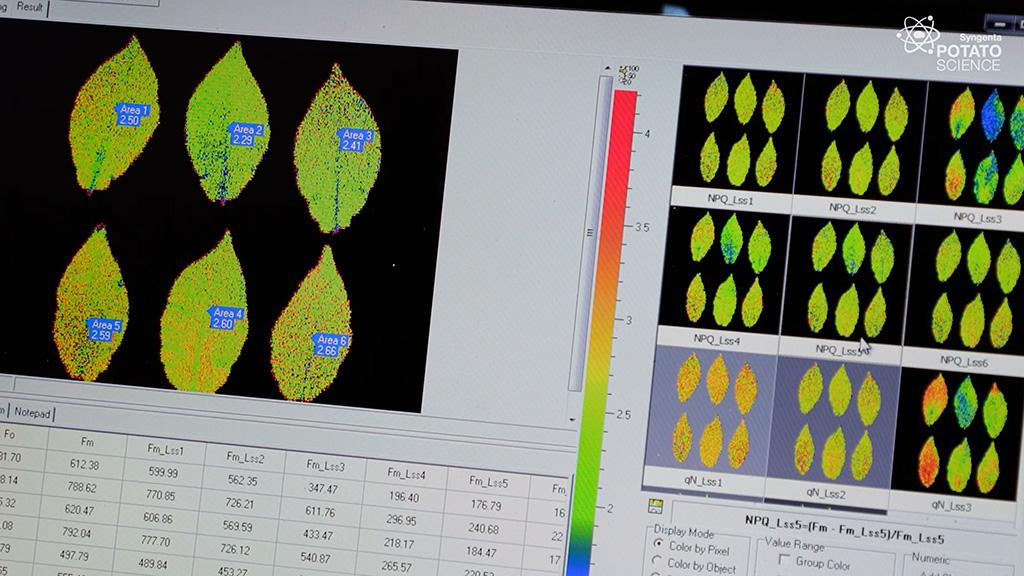
Using a range of laboratory techniques, the research team identified that Quantis enhanced PSII photochemical efficiency and decreased thermal dissipation of potatoes grown under heat stress.
See the Nottingham University research explained

Playing this video requires a marketing consent.
Click anywhere on the video to renew your consents.
The Nottingham team concluded: “Quantis application prior to heat stress effectively primed heat tolerance responses and alleviated temperature stress of S. tuberosum."
Further studies have indicated that mechanism of action of Quantis will be effective in other plant species.
“Thus, a biostimulant application targeting the most susceptible crop developmental stages to heat disorders can be effectively integrated within future agronomy practices to mitigate losses in other thermosensitive crops.”