

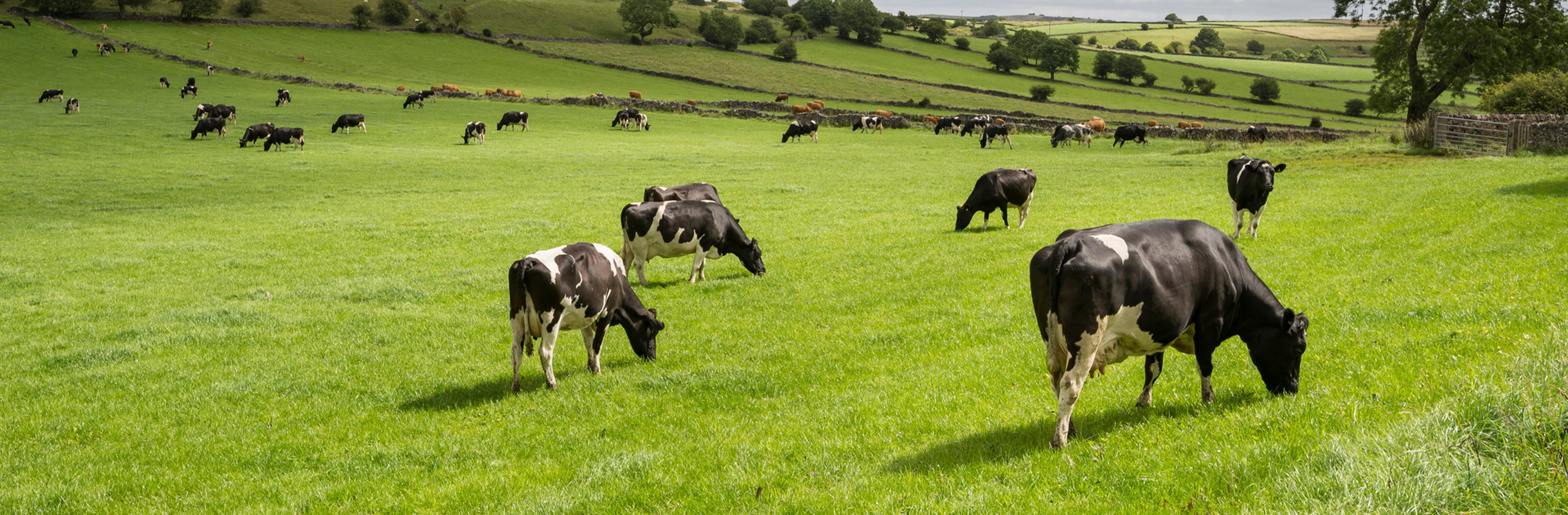
Effective weed control in grasslands and pastures requires a multilayered approach that goes beyond simply applying herbicides. Integrated Weed Management (IWM) combines various strategies to manage weeds sustainably while promoting healthy pasture growth. This article explores key IWM strategies that can be implemented in grassland and pasture systems.
Understanding Integrated Weed Management
IWM is an ecosystem-based approach that focuses on long-term prevention and suppression of weed problems through a combination of techniques. The goal is to maintain a healthy, productive pasture while minimising environmental impacts.
Cultural control methods
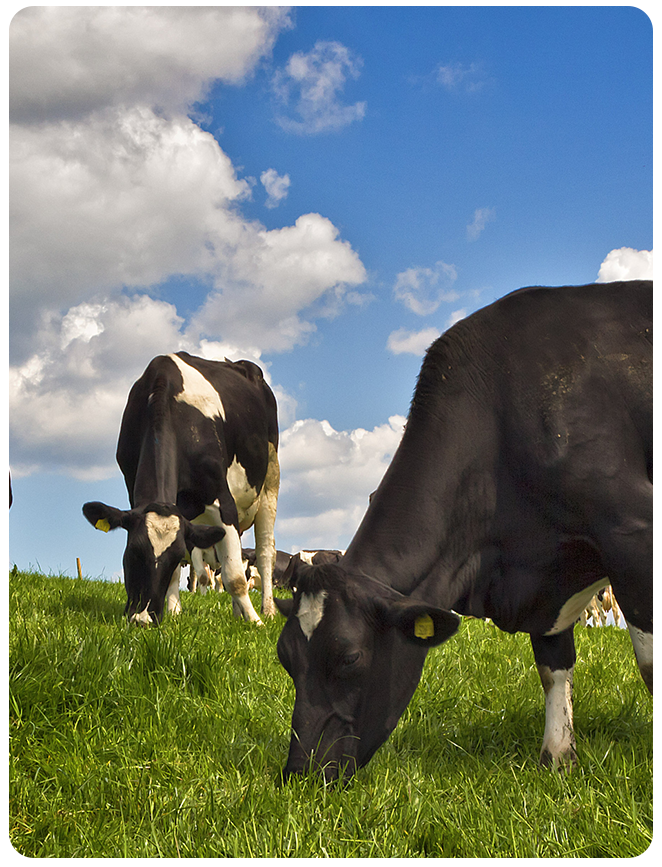
Grazing management
Proper grazing management is crucial for weed control. Strategies include:
- Rotational grazing to prevent overgrazing and maintain grass competitiveness
- Timing grazing to target specific weeds during their vulnerable growth stages
- Using mixed species grazing (e.g., cattle and sheep) to control a broader range of weeds
Soil fertility management
Maintaining optimal soil fertility favours desirable pasture species over weeds:
- Regular soil testing to guide fertilisation practices
- Balanced nutrient application to promote vigorous grass growth
- Liming to correct soil pH, which can influence weed populations
Reseeding and oversowing
Introducing or reinforcing desirable species can help outcompete weeds:
- Reseeding bare patches to prevent weed establishment
- Oversowing with competitive grass and legume species
- Using weed-suppressive grass varieties when available
Mechanical control methods
Mowing and topping
Regular cutting can weaken weeds and prevent seed production:
- Timing mowing to coincide with weed flowering stages
- Using follow-up treatments to manage regrowth
- Remember to consider the impact on beneficial species when planning mowing regimes
Manual removal
For small infestations or specific problem areas:
- Hand-pulling or digging out weeds with deep taproots
- Spot treatment of individual weeds in high-value areas
Competitive planting
Encouraging beneficial plants that naturally suppress weeds:
- Planting cover crops or green manures in rotation with pasture
- Establishing buffer strips with competitive native species
Chemical control methods
While IWM aims to reduce herbicide use, selective application can be an effective tool:
Spot spraying
Targeted application to individual weeds or small patches:
- Using handheld sprayers or weed wipers for precision
- Focusing on problematic species or areas of high infestation
Selective herbicides
Choosing herbicides that target weeds while minimising damage to desirable species:
- Matching herbicide selection to the specific weed problems present
- Considering the impact on soil health and beneficial organisms
Timing of application
Strategic timing can maximise effectiveness while minimising herbicide use:
- Applying herbicides when weeds are most vulnerable (often in early growth stages)
- Avoiding application during drought stress or before heavy rain
Preventative measures
Weed hygiene
Preventing the introduction and spread of weeds:
- Cleaning machinery and equipment between fields
- Using weed-free seed and hay
- Quarantining new animals to prevent weed seed introduction
Monitoring and early detection
Regular pasture assessment to catch weed problems early:
- Conducting scheduled weed surveys
- Training farm staff in weed identification
- Keeping records of weed populations and control measures
Adaptive management
IWM is not a one-size-fits-all approach. Successful implementation requires:
- Regular evaluation of control methods' effectiveness
- Flexibility to adjust strategies based on changing conditions
- Continuous learning and incorporation of new research findings
A holistic approach to weed management
Integrated Weed Management in grasslands and pastures requires a comprehensive, long-term approach. By combining cultural, mechanical, and chemical methods, farmers can effectively manage weeds while promoting pasture health and biodiversity.
The key to successful IWM is understanding the ecology of both weeds and desirable species, and how they interact within the pasture ecosystem. By adopting a holistic view and implementing a diverse range of strategies, farmers can achieve sustainable weed control, improve pasture productivity, and reduce reliance on chemical interventions.
Remember, the most effective IWM strategy will vary depending on local conditions, weed species present, and management goals. Regular assessment and adaptation of methods ensure that weed management remains effective and sustainable in the long term.