Bean disease control for the 2023 season

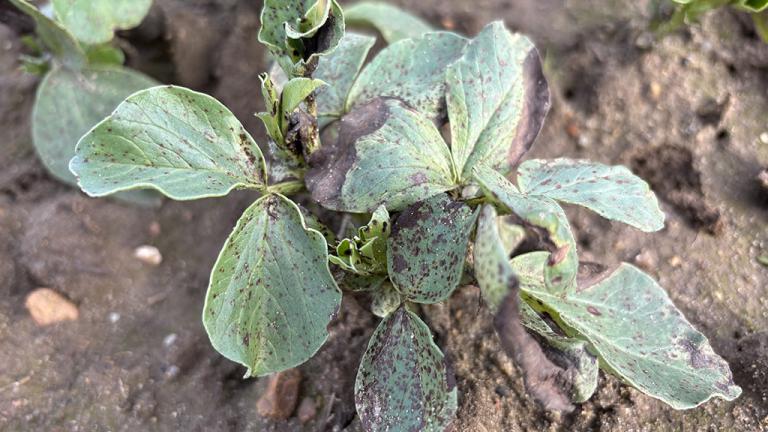
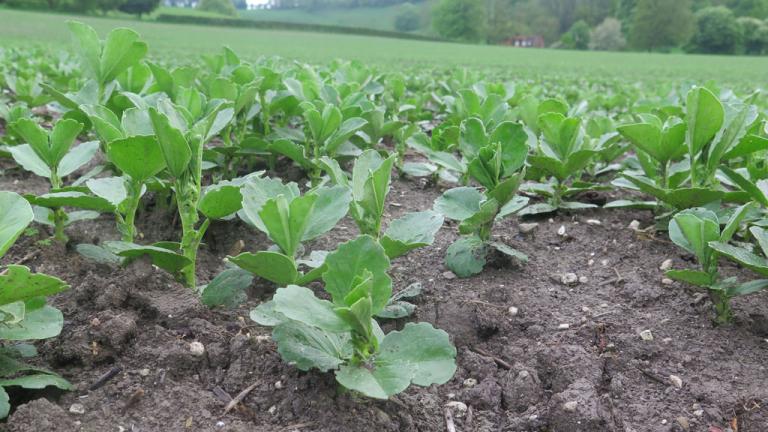
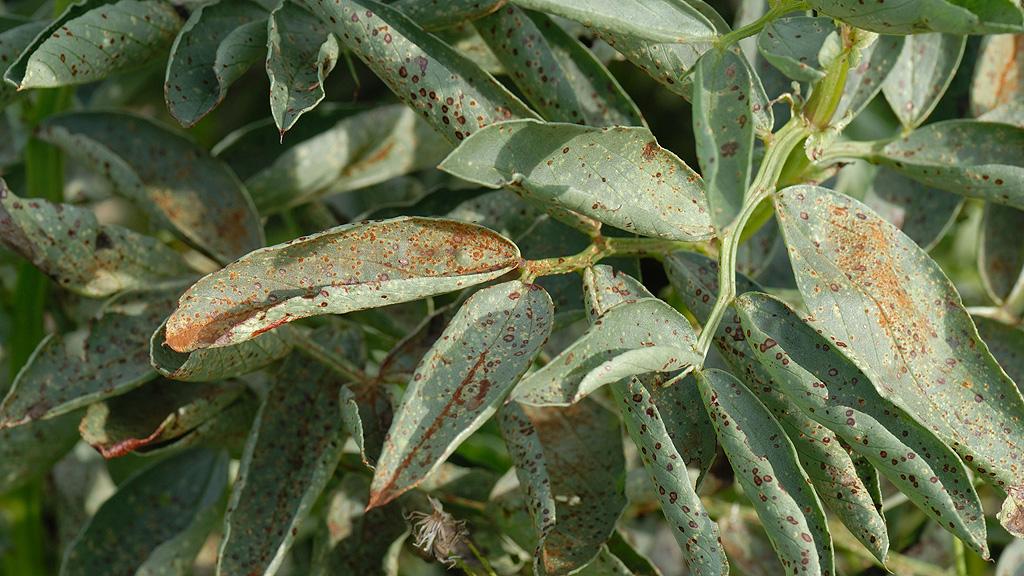
Field bean disease reports by PGRO have already highlighted high levels of chocolate spot in some crops this season.
Cool and wet conditions through March have increased the risk of disease infection on established crops, as well as the threat from downy mildew on new leaf growth and for later emerging spring beans, writes Syngenta Technical Manager, Simon Jackson.
View reports from the PGRO Syngenta Resilience Roadshows
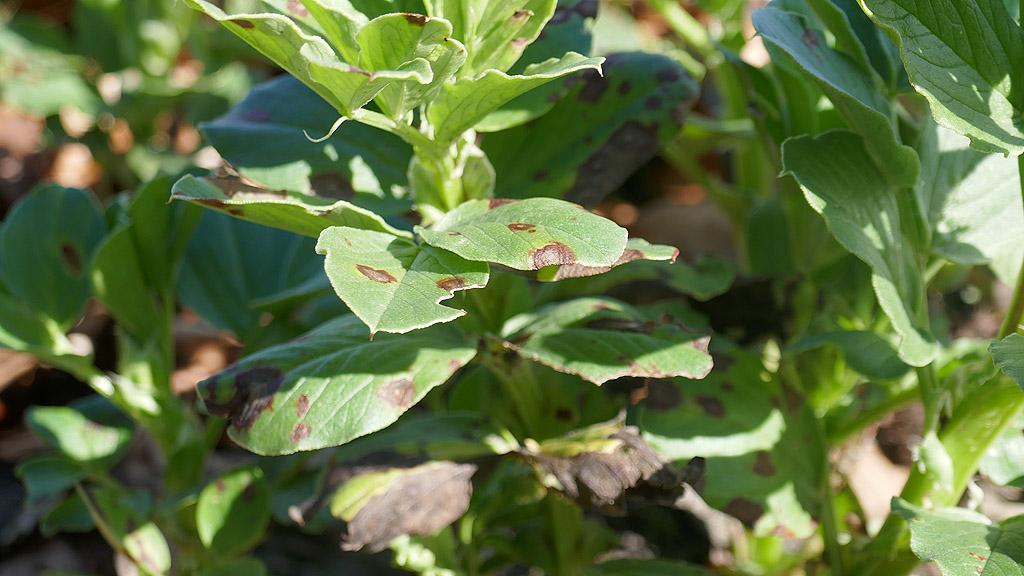
Field assessments indicate incidence of chocolate spot could have been exacerbated where rain splash has spread spores from existing lesions on lower leaves, onto new growth.
Amistar start
Where chocolate spot is already present in the crop, and conditions continue encourage the disease, it would be advisable to start the programme with an Amistar application from first flowering (GS60). The strategy will be particularly beneficial as temperatures start to warm up and soil moisture levels are not limiting growth.
With the potential for rapid compensatory growth in warmer conditions, crops could start to quickly build big canopies. However, that will tend to make them more susceptible to chocolate spot as the season progresses.
Elatus Era timing
That indicates the key timing for Elatus Era application is likely to be around early to mid-May for optimum disease control. The sequence of Amistar and Elatus Era has proven to be highly effective as a fungicide strategy for both chocolate spot and rust control in beans right through the season.
Then growers still have the option for a final Amistar + tebuconazole treatment towards the end of May or early June, to further protect from rust infection through to the end of the growing season.
Trace element pick up
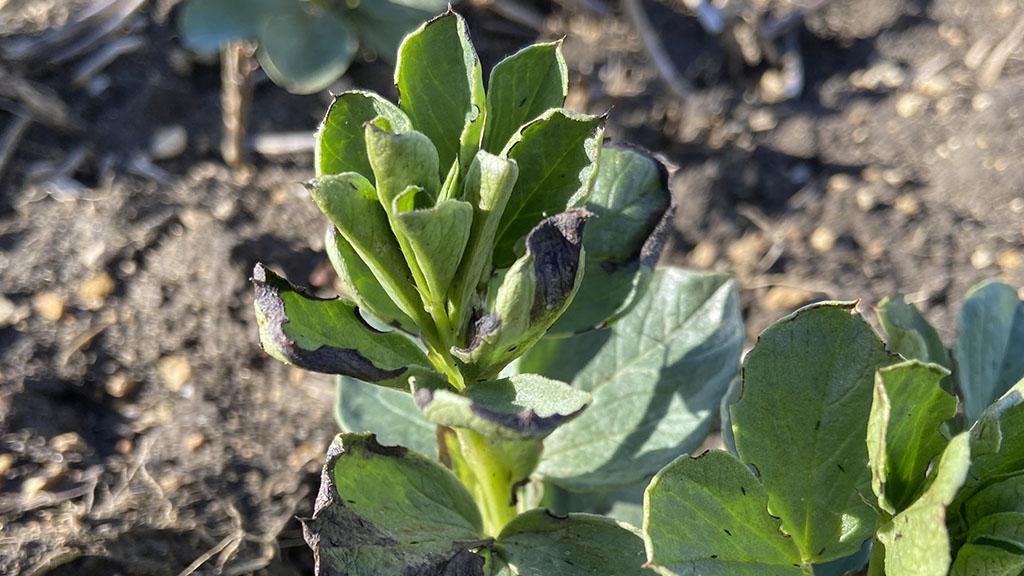
Since many autumn sown beans have been hit hard by harsh winter frosts (below), and below average temperatures and heavy rain through March also stopped early spring recovery, crops that are looking particularly stressed and struggling could well benefit from supplementary trace elements with the fungicide treatment. Manganese and magnesium, along with zinc, could prove particularly effective.
Results of last year’s ADAS YEN bean crops showed that, although there was no direct correlation, the better performing crops had received foliar trace elements.
Spring bean crops
Slow progress for spring bean crops so far this season will focus agronomy on providing adequate nutrition to increase plant stands and prolong growth for as long as possible, along with disease control for green leaf retention to boost yields.
Depending on disease pressure, most spring crops still benefit from a two-spray foliar disease programme. That is likely to be an Amistar treatment in early June, followed by Elatus Era in early July when the crops have built a full canopy.
PGRO advice
PGRO has also reported that weather conditions experienced this season could also result in increased downy mildew infections.
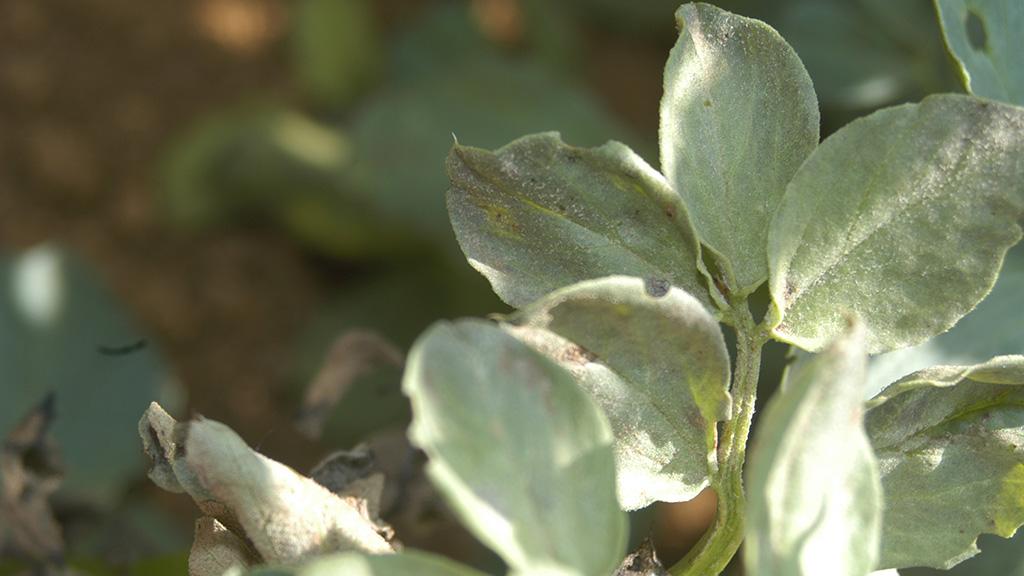
The disease is typically an issue on emerging spring beans, but has also been widely identified on the new growth of winter beans in similar high-risk spring conditions. An EAMU is available for the fungicide SL567A, containing the highly systemic metalaxyl-M, to control downy mildew infection on emerging leaves in field bean crops.