Top Tips for Sugar Beet agronomy 2025
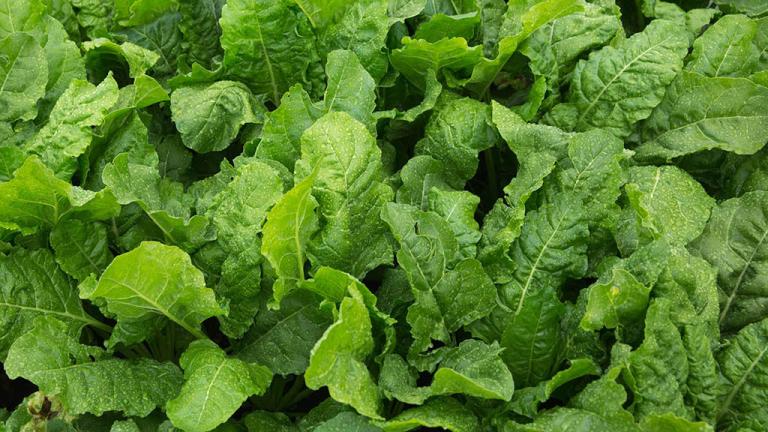
Following the extreme challenges to sugar beet establishment in prolonged dry and hot early season conditions, welcome rains have been a life saver for many crops. But with scarce water resources already being tapped into, avoiding further stress effects and the risk of early leaf loss from disease infection will be crucial to maintain growth and root development.
Syngenta Technical Manager, Jonathan Ronksley, shares strategies for maintaining crop health throughout the season.

Keep leaves clean and green
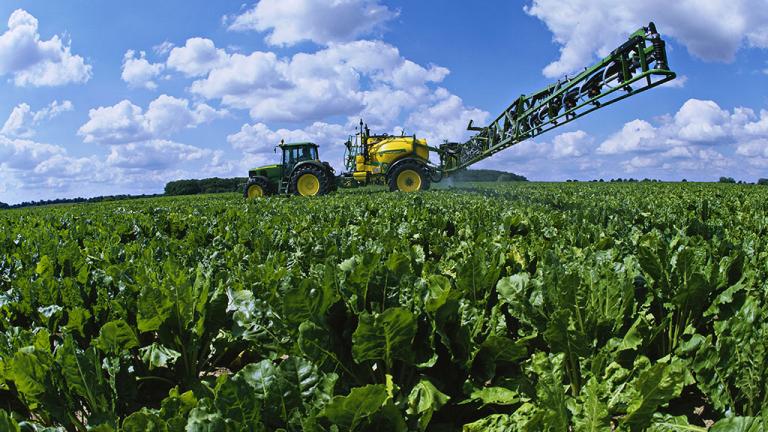
"A robust fungicide strategy beginning with PRIORI® Gold/ ANGLE® continues to provide comprehensive protection against key UK sugar beet foliar diseases in these mixed conditions," he advises.
“The combination of strobilurin and triazole actives in PRIORI® Gold/ ANGLE® maintains broad-spectrum disease control."
“"This makes PRIORI® Gold the first option for early-season programmes," Jon emphasises. Two applications can be made, maintaining the 21-day minimum interval between treatments.
BBRO trials have repeatedly shown two-spray fungicide programmes consistently produce higher yields and returns. Three-spray programmes show increased value in high-pressure seasons or extended growing periods.
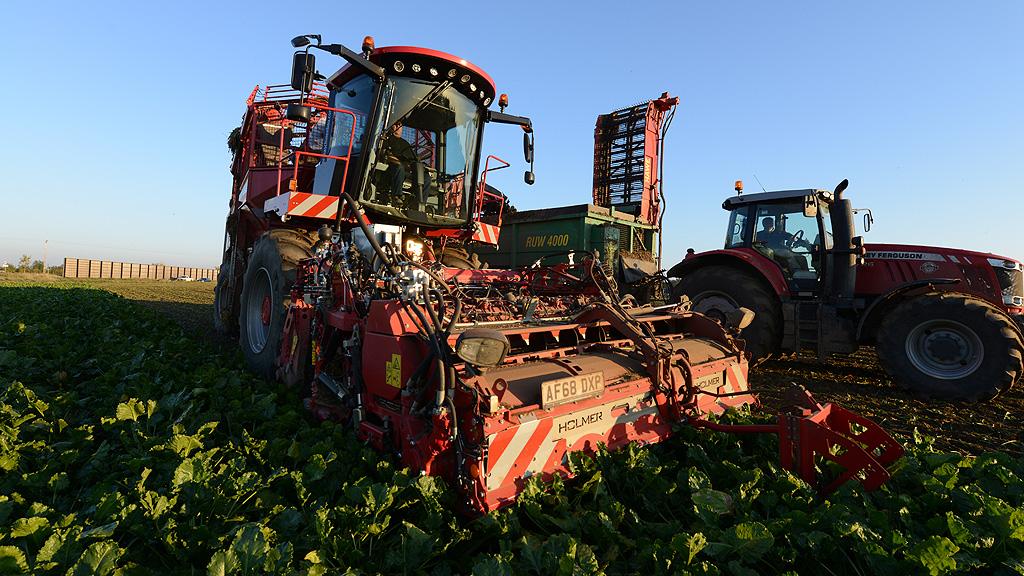
Early leaf protection is essential to prevent disease and maximise sugar beet yield, which depends on healthy leaves that contribute up to 40% of final production late in the season.
Jon points out that in recent trials Priori Gold gave over 75% control of rust compared to untreated, delivering a 24% yield increase and 10 tonnes per hectare extra adjusted yield over Caligula and 8 t/ha extra adjusted yield over Revystar.
Application advice for 2025:
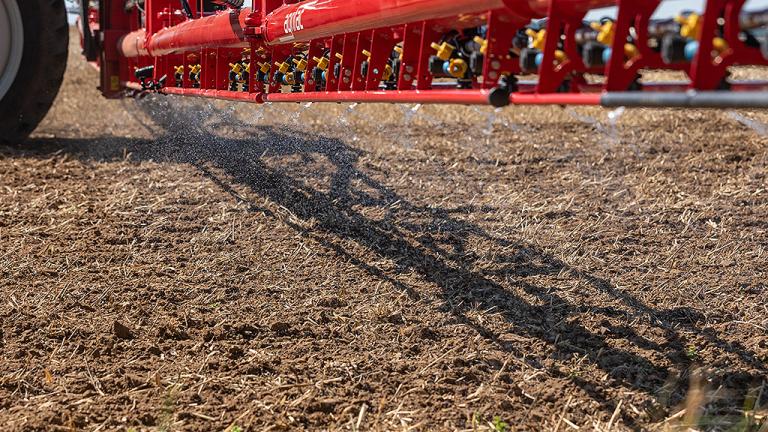
- Early season (up to 8-12 true leaves): Use angled nozzles with medium to coarse spray droplets, 100 l/ha water volume
- Later season: As crops get larger, switch to the Syngenta 3D ninety nozzle
- Increase to 200 l/ha water volume for better canopy penetration and drift management
Pump up your sugar beet
Sugar beet is one of the crops that stands most to benefit from a nutrient boost with Syngenta's biofertiliser, VIXERAN®.
During peak leaf expansion in June and July, nitrogen uptake in sugar beet averages 4-5 kg N/ha/day. VIXERAN® is a biofertiliser containing a nitrogen-fixing bacteria (Azotobacter salinestris CECT 9690) that colonises leaves, roots, and the rhizosphere. It provides a natural source of nitrogen to boost N supply when the sugar beet plant needs it most and has been shown to improve crop nutrition and yield potential.
“The ideal application timing is during early establishment to full ground closure (BBCH 14-18) when leaves are dry, as sugar beet absorbs 75-80% of its total nitrogen requirement by late July,” advises Jon.
For application guidelines and more information:
Visit the sugar beet VIXERAN® product page
Beet the heat
Sugar beet can be especially susceptible to temperature stress, especially on lighter soils that typically produce high yields.
Changing weather patterns have made repeated periods of high temperatures a more common occurrence in the eastern counties, resulting in prolonged stress on plants.
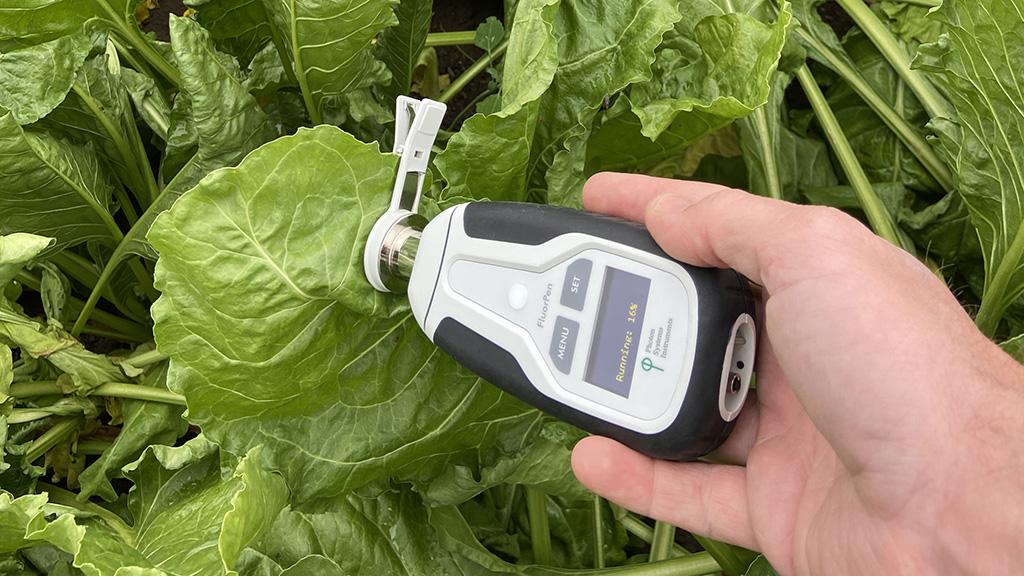
Independent research shows that QUANTISTM improves crop resilience to heat stress by regulating plant osmosis, supporting sugar transport to roots, reducing damage, and accelerating recovery after heat events.
Trials and growers’ experience shows the best results when applied before the first heat stress, at GS31, when canopy cover and tap roots begin to expand.
Further QUANTISTM treatments should be repeated when heat stress events occur. Read more on the trials results.
Virus yellows and aphid control
Rothamsted Insect Survey initially predicted that peach potato aphid (Myzus persicae) migration would start around mid-May this year, however the national aphid trapping survey reported Myzus being caught on more than one site in the first weeks of April.
Highlighting the huge scale of the challenge this season, by the first week of June over 560 Myzus were caught in survey monitoring traps, compared to a total of 10 across the same sites in the corresponding week last year.
Viruses, like virus yellows, are transmitted by aphids and have the potential to reduce crop yields by up to 40% with early infection having the biggest impact.
Jon recommends the following steps to help minimise the risk of virus spread:
- Apply AFINTO® when wingless aphids reach the threshold outlined below. It effectively controls resistant peach potato aphid, halting feeding and virus transmission, making it ideal for small plants.
- Monitor crops from early May to the 12-leaf stage. Treat if there’s 1 or more green wingless aphid per 4 plants up to the 12 leaf stage.
Research has shown AFINTO® delivers excellent efficacy against peach potato aphid – including resistant strains. Aphid feeding stops within a few minutes, reducing virus transmission. View trials results and application guidelines.
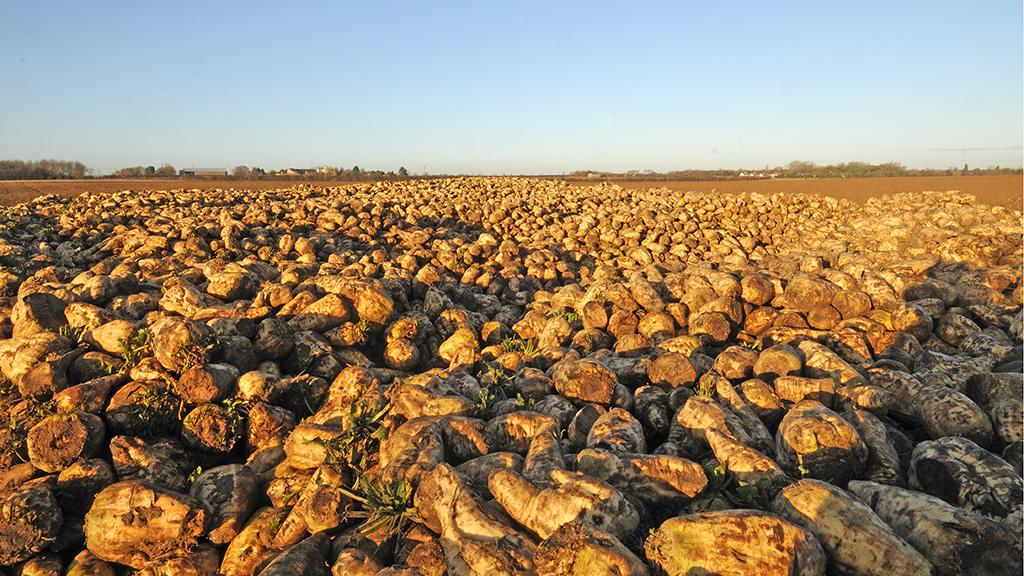
Jon’s 2025 Sugar Beet Agronomy Top Tips
| Sugar beet agronomy Top Tips |
| 1. Monitor for aphids and protect from infestation with AFINTO® |
| 2. Keep leaves clean and green with PRIORI® Gold / ANGLE |
| 3. Use VIXERAN® biofertiliser to boost nitrogen uptake at BBCH 14-18 |
| 4. Apply QUANTIS to help crops cope with heat stress |