
Conservation Agriculture and Sustainable Farming Systems project
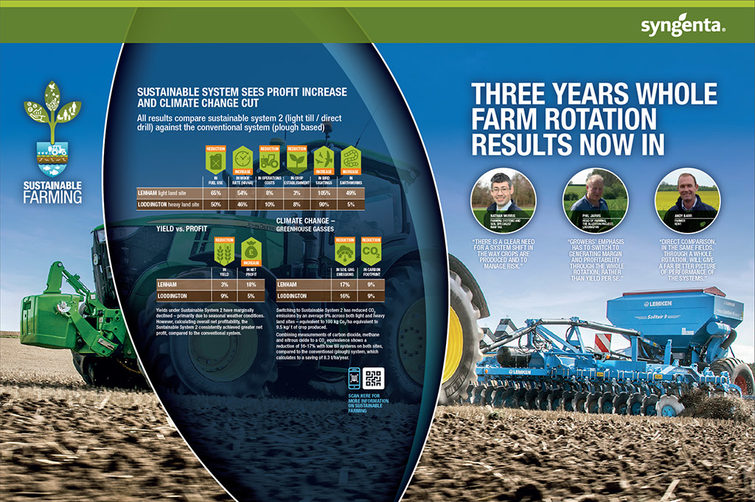
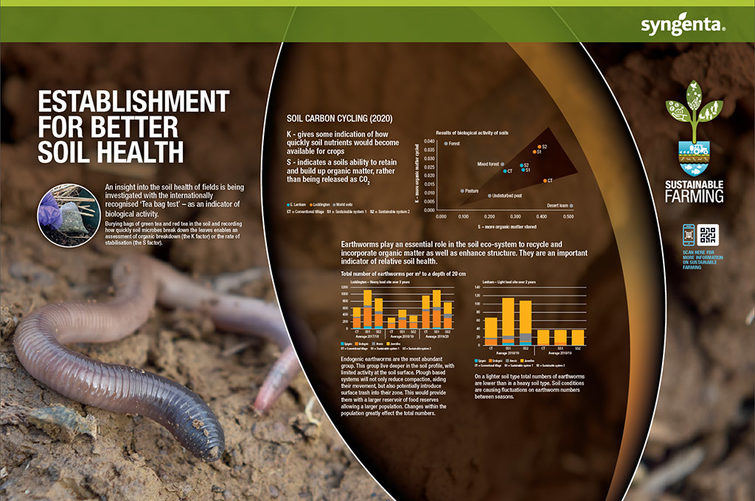
Conservation agriculture crop establishment techniques can deliver up to 18% uplift in growers net profits, whilst also providing significant enhancement of key environmental and ecological measures, according to the latest findings of the Syngenta Conservation Agriculture and Sustainable Farming Systems project. Get an overview of the project from Belinda Bailey here.
Read the full five-year summary results of the Conservation Agriculture and Sustainable Farming Systems project lead by Syngenta in partnership with GWCT, The Allerton project and NIAB. The project has been examining the entire cereals-based rotation on a field scale, with over 80,000 data sets measuring the long term economic and environmental impact on farm.
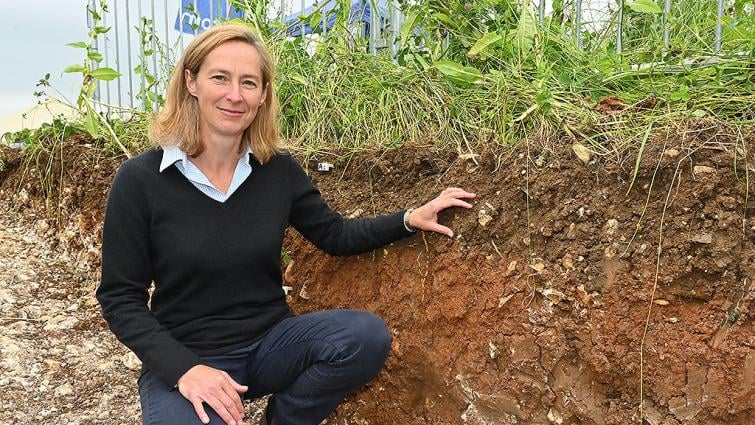
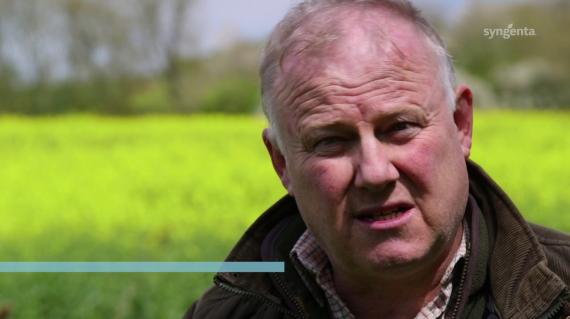
"As the agricultural industry changes, we want to support our growers with advice on how to manage farms in a sustainable way. Conservation Agriculture may provide us with a chance to reduce costs, improve soil health and develop a sustainable farming system to maintain or possibly improve farm profitability and food security whilst supporting wider biodiversity and protecting natural resources.”
- Belinda Bailey, Syngenta Sustainable Farming Manager
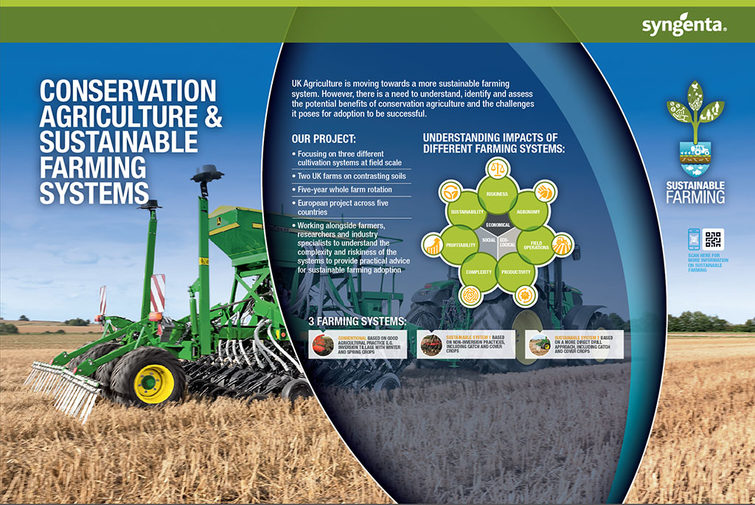
Trialing three farming systems
Conventional plough-based cultivations and establishment of principally winter crops in rotation.
Introduces practices of reduced non-inversion tillage, along with spring crops and cover crops.
Further moves to no-tillage and direct drilling for crop establishment, including cover crops.
Watch Conservation Agriculture and Sustainable Farming Practices Project at Loddington.
About the trials sites
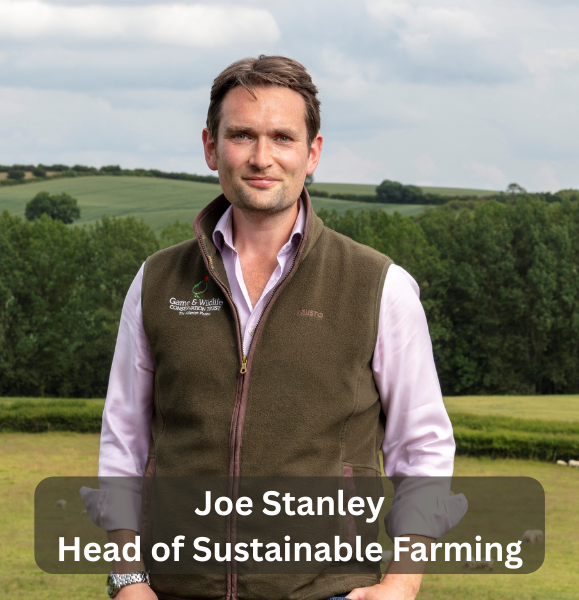
Trial at Loddington
in conjunction with GWCT and NIAB
- Heavy land site
- 5 fields split 3 ways to cover each scenario
- 5 year rotation: Hyvido-OSR-WW-S Beans/Peas-WW
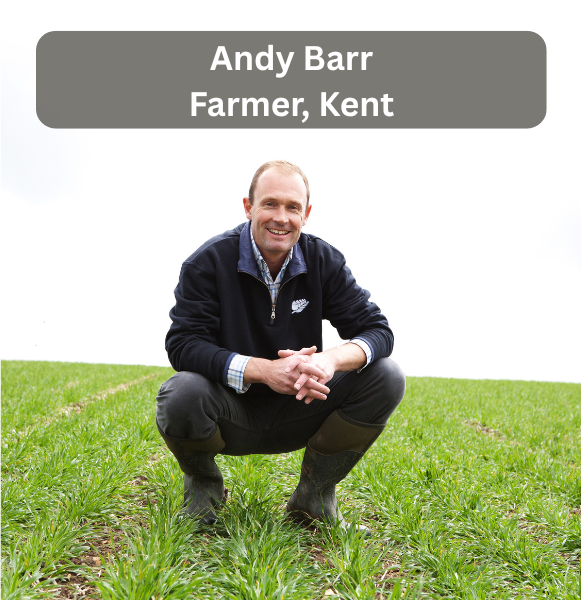
Trial in Kent
in conjunction with NIAB
- Light land site
- 4 fields split 3 ways to cover each system
- 5 year rotation: WW-SB-S Beans-WW-OSR